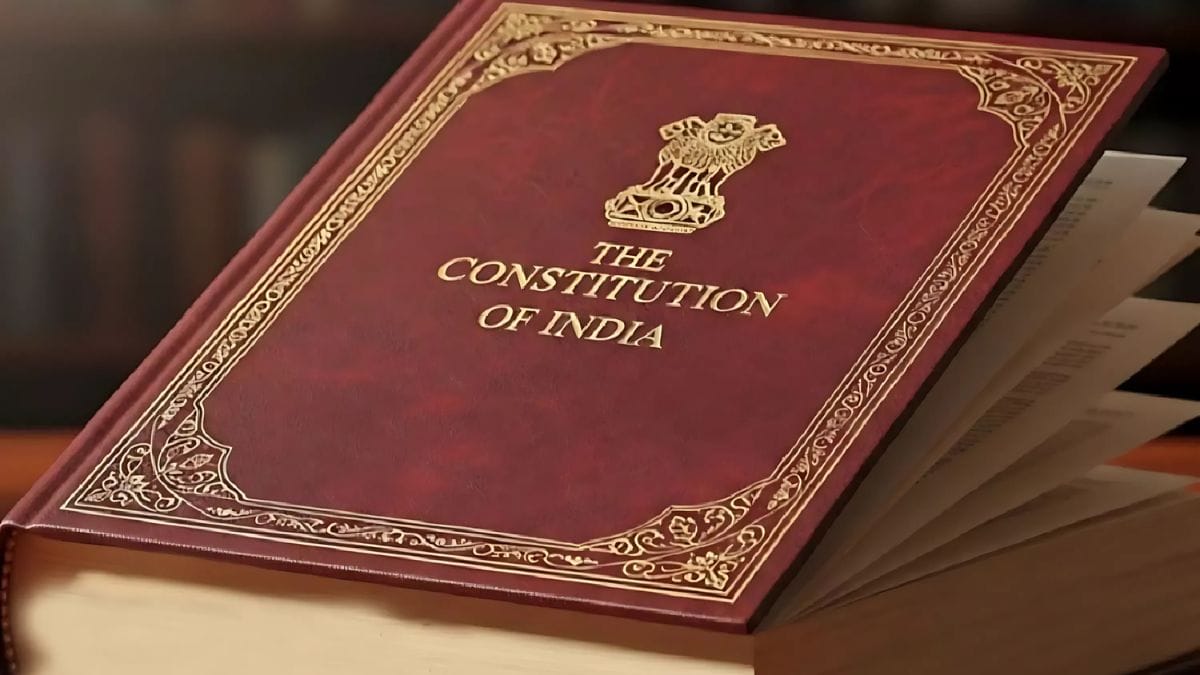
The story of how the Indian Constitution came into being is nothing short of remarkable. Between 1946 and 1950, India transitioned from a British colony to a sovereign republic, guided by a carefully crafted document that would go on to become the world’s lengthiest written constitution. But how did it all come together? What was happening behind the scenes in those historic years? Let’s cut into the making of India’s Constitution, step by step.
Background
India in the mid-1940s was buzzing with political activity. The British had promised independence, but transferring power wasn’t going to be simple. The country was grappling with religious divisions, political rivalries, and the mammoth task of building a new nation from scratch. The need for a Constitution was more than just legal—it was about crafting an identity.
The idea of a Constituent Assembly wasn’t born overnight. It had been floating around for years, proposed by Indian leaders and eventually agreed upon by the British Government through the Cabinet Mission Plan in 1946.
Assembly
The Constituent Assembly was formed in December 1946. Initially, it had 389 members, but after Partition, the number dropped to 299. These members weren’t elected by the people directly. Instead, they were chosen by provincial assemblies. It wasn’t perfect democracy yet, but it was a start.
The Assembly was a mix of lawyers, freedom fighters, intellectuals, and social reformers. From Jawaharlal Nehru and Dr. Rajendra Prasad to B.R. Ambedkar and Sardar Patel—the brightest minds of the time came together to shape the nation’s future.
Leadership
Every major project needs a captain. For India’s Constitution, it was Dr. B.R. Ambedkar. As the Chairman of the Drafting Committee, Ambedkar played a central role in writing and refining the document. His legal acumen, combined with a deep understanding of social justice, made him the perfect fit.
Rajendra Prasad was elected as the President of the Assembly, while Nehru, Patel, and others steered political negotiations and integration of princely states. Together, they balanced ideology with practicality.
Drafting
Drafting began officially on August 29, 1947, when the Drafting Committee was formed. Over the next two years, the committee met for 114 days to discuss, debate, and amend provisions.
They didn’t start from scratch. The Indian Constitution borrowed elements from several global constitutions. For instance:
| Feature | Borrowed From |
|---|---|
| Parliamentary System | UK Constitution |
| Fundamental Rights | US Constitution |
| Directive Principles | Irish Constitution |
| Federal Structure | Canadian Constitution |
But these were not just cut-and-paste jobs. Each borrowed element was reshaped to suit India’s unique social, cultural, and political context.
Challenges
The process was anything but smooth. India was going through Partition, facing communal riots, refugee crises, and the integration of princely states. The Assembly had to function while the country itself was being built from the ground up.
Despite these hurdles, debates remained civil and constructive. The Assembly believed in the power of discussion and compromise—an essential feature of any democracy.
Adoption
After nearly three years of work, the final draft was adopted on November 26, 1949. This day is now celebrated as Constitution Day in India. But the Constitution didn’t come into effect immediately. It officially became the law of the land on January 26, 1950—a date chosen to honor the declaration of Indian independence made in 1930.
With this, India became a sovereign, democratic republic. The Constitution gave citizens rights, outlined duties, and defined how the government would function. It was the foundation on which modern India was built.
The framing of the Indian Constitution wasn’t just a legal exercise—it was a moral, cultural, and political revolution. Those four years between 1946 and 1950 laid the groundwork for the world’s largest democracy. It was a blend of vision, dedication, and sheer hard work from some of the greatest minds in Indian history.
FAQs
When did the Constitution come into effect?
It came into effect on January 26, 1950.
Who led the Drafting Committee?
Dr. B.R. Ambedkar was the Chairman of the committee.
How many members were in the final Assembly?
After Partition, there were 299 members.
What day is Constitution Day celebrated?
It’s celebrated on November 26 every year.
Was the Constitution fully original?
No, it borrowed features from other constitutions.