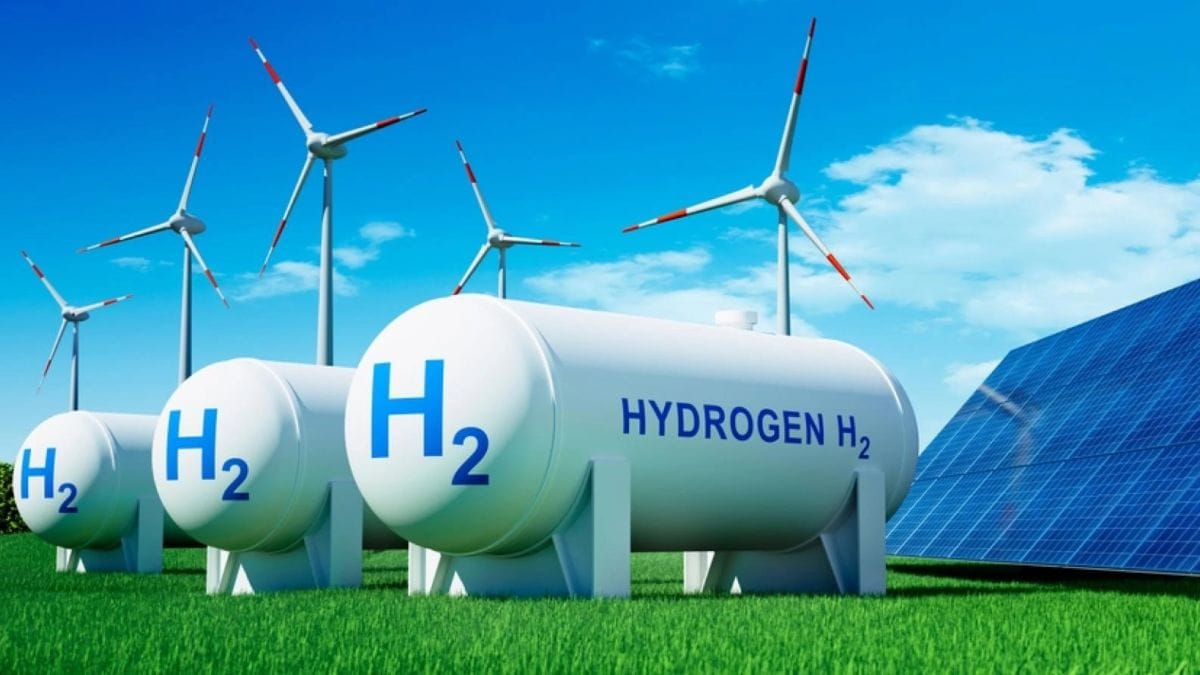
India is gearing up for a big shift in its energy sector, and green hydrogen is at the center of this transformation. With rising concerns about climate change, dependence on fossil fuels, and the need for cleaner alternatives, the Indian government has rolled out its Green Hydrogen Policy. This move is expected to not just cut carbon emissions but also make India a global leader in renewable energy. Let’s cut into what the policy is all about and why it’s being called the next big energy revolution.
Vision
The goal of India’s Green Hydrogen Policy is clear—reduce reliance on imported fossil fuels and move towards a self-sufficient energy future. By producing hydrogen using renewable sources like solar and wind, India hopes to replace polluting fuels in industries such as steel, fertilizers, and transportation. It’s part of the larger National Hydrogen Mission, which envisions India as a hub for green hydrogen production and exports.
Incentives
The government is offering a wide range of incentives to encourage companies to invest in hydrogen production. These include:

- Priority access to renewable energy at lower costs
- Waiver of inter-state transmission charges for 25 years
- Fast-tracked approvals for projects
- Land allocation for manufacturing units and refueling stations
Such benefits are aimed at making green hydrogen affordable and competitive compared to traditional energy sources.
Industry
Several industries are expected to gain from this policy. For example, the fertilizer industry can replace grey hydrogen (made from natural gas) with green hydrogen, cutting emissions drastically. The steel sector, known for being highly polluting, could also make a huge shift. Transport, particularly heavy-duty trucks, ships, and even aviation, could eventually run on hydrogen fuel cells.
| Sector | Current Fuel | Potential with Green H2 |
|---|---|---|
| Fertilizers | Grey Hydrogen | Green Hydrogen |
| Steel | Coal, Coke | Green Hydrogen |
| Transport | Diesel, Petrol | Hydrogen Fuel Cells |
| Power | Fossil Fuels | Hydrogen + Renewables |
Global Edge
Countries around the world are racing to dominate the hydrogen market, and India wants to be at the forefront. With its vast renewable energy potential, low solar costs, and supportive policies, India has a natural edge. If executed well, this policy could help India export green hydrogen to countries in Europe and Asia that are heavily investing in clean fuels.

Challenges
Of course, challenges exist. Producing green hydrogen is still costly compared to fossil fuels. The infrastructure for storage, transport, and refueling is underdeveloped. Companies will also need large investments in technology and R&D. However, with government support and global demand, these hurdles may be overcome sooner than expected.
India’s Green Hydrogen Policy is more than just an energy initiative—it’s a roadmap to a cleaner, self-reliant, and globally competitive economy. If implemented effectively, it could transform India into a leader in the renewable energy revolution and drastically cut carbon emissions.
FAQs
What is green hydrogen?
It is hydrogen produced using renewable energy like solar or wind.

Why is India pushing green hydrogen?
To cut carbon emissions and reduce fuel imports.
Which sectors will benefit most?
Steel, fertilizers, transport, and power industries.
What incentives does the policy offer?
Lower energy costs, transmission charge waivers, and land support.
Can India export green hydrogen?
Yes, India aims to become a major exporter to global markets.