India’s journey to independence is often told through the stories of iconic male leaders like Gandhi, Nehru, and Bose. But what about the women who stood shoulder to shoulder with them? From leading protests to enduring jail time, Indian women played a vital role in challenging colonial rule. Their contributions were not just symbolic — they were fearless, strategic, and deeply rooted in a dream of a free India.
Beginnings
The involvement of women in the independence movement wasn’t accidental. It started with the social reform movements of the 19th century, which pushed for women’s education and rights. As more women became educated, they began to question British rule and the lack of freedom. Reformers like Savitribai Phule and Pandita Ramabai paved the way, not just by fighting for women’s rights but also by laying the foundation for their political awakening.
Icons
When you think of women in the independence movement, names like Sarojini Naidu, Annie Besant, and Kasturba Gandhi come to mind. Sarojini Naidu, also known as the ‘Nightingale of India,’ was not just a poet but a powerful speaker who inspired crowds. She was the first Indian woman to become the president of the Indian National Congress and later the first female governor of an Indian state.
Then there’s Annie Besant, an Irish woman who adopted India as her own and launched the Home Rule League. Kasturba Gandhi, though often overshadowed by Mahatma Gandhi, was a freedom fighter in her own right — leading protests and enduring imprisonment multiple times.
Movements
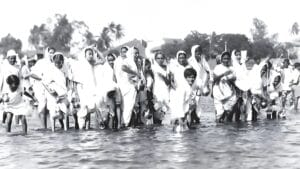
Women were not passive supporters — they were front-line warriors. During the Salt March in 1930, thousands of women marched alongside Gandhi, picking up handfuls of salt from the seashore to defy British laws. The Quit India Movement of 1942 saw even greater participation, with women leading rallies, distributing pamphlets, and even organizing underground networks.
Many women also joined revolutionary groups. Aruna Asaf Ali hoisted the Indian National Flag during the Quit India Movement at the Gowalia Tank Maidan in Bombay. Usha Mehta operated an underground radio station to broadcast uncensored news during British censorship.
Sacrifice
Joining the freedom struggle wasn’t without cost. Women left their homes, faced violence, and were often imprisoned under harsh conditions. Some were tortured; others died fighting. Yet, their determination didn’t waver. Their courage wasn’t loud, but it was deeply impactful — the kind of silent strength that moves mountains.
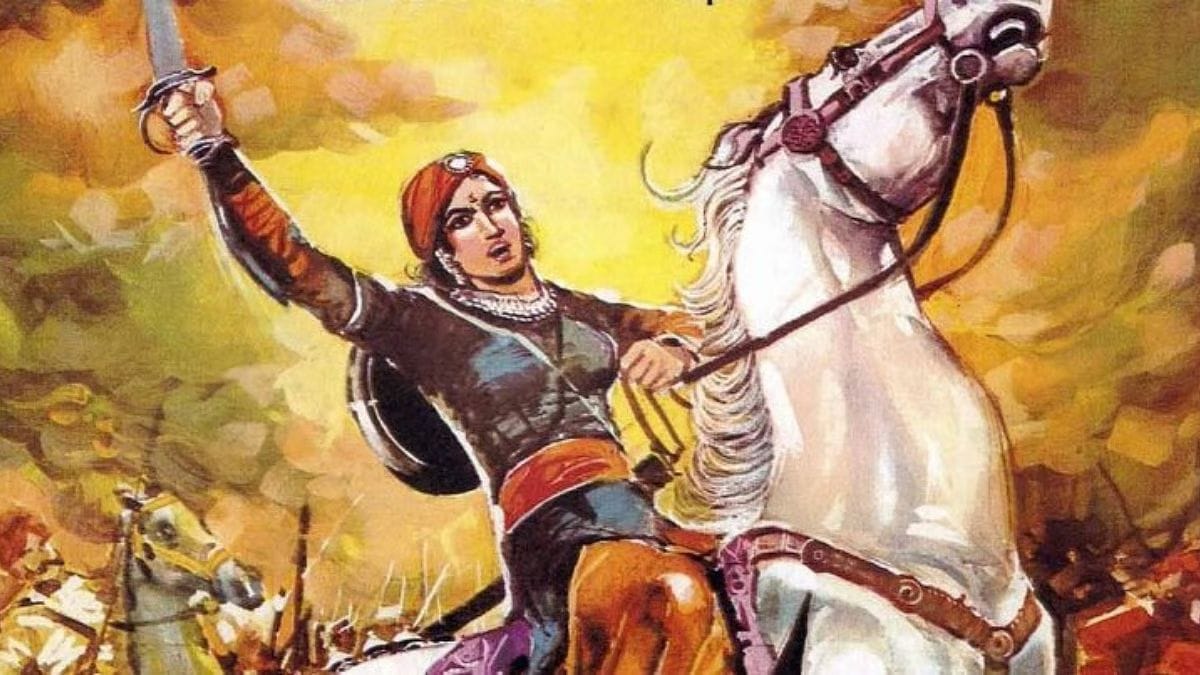
Take Rani Gaidinliu from Manipur, who led a revolt against British rule at just 13. Or Captain Lakshmi Sahgal, who served in the Indian National Army and led the all-women Rani of Jhansi Regiment — a rare all-female combat unit during that era.
Legacy
What’s inspiring is that these women didn’t fade into history after independence. Many continued to serve India as leaders, educators, and reformers. Their struggles laid the foundation for women’s rights movements in the country, pushing for equality in politics, education, and the workforce.
Their legacy lives on — not just in textbooks, but in every woman who dares to raise her voice, stand for what’s right, and lead the way. India’s freedom story is incomplete without them.
Their contribution shows that the fight for independence wasn’t just a political movement — it was a social revolution. It challenged not just colonial power, but patriarchy too. And the women of India proved they were more than ready for both battles.
FAQs
Who was Sarojini Naidu?
A poet and freedom fighter, also India’s first female governor.
What was Kasturba Gandhi’s role?
She led protests and was jailed multiple times for civil disobedience.
Did women participate in the Salt March?
Yes, thousands of women joined Gandhi in breaking the salt law.
Who was Aruna Asaf Ali?
She hoisted the flag during the Quit India Movement in 1942.
What was the Rani of Jhansi Regiment?
An all-women combat unit led by Captain Lakshmi Sahgal.