Indian classical dance forms are more than just performance arts — they’re a blend of spirituality, tradition, and centuries-old storytelling. Rooted in ancient texts like the Natya Shastra, these dance styles are expressions of devotion, mythology, and cultural identity. Each form comes from a different part of India, with its own flavor, rhythm, costume, and history. Let’s take a closer look at the major classical dance forms and where they come from.
Bharatanatyam
Origin: Tamil Nadu
Bharatanatyam is one of the oldest and most widely practiced classical dance forms in India. It was originally performed in temples by devadasis as an offering to the gods.
This dance form combines bhava (emotion), raga (melody), tala (rhythm), and natya (drama) — which is where the name Bharatanatyam comes from. The dance includes intricate footwork, graceful hand gestures (mudras), and expressive facial movements to narrate stories from Hindu epics like the Ramayana and Mahabharata.
Kathak
Origin: North India (primarily Uttar Pradesh)
Kathak began as a storytelling tradition by wandering bards known as kathakars. They used dance and gestures to tell mythological tales in temples.

During the Mughal era, Kathak evolved with Persian influence, becoming more refined and courtly. The dance today is known for its graceful spins, lightning-fast footwork, and rhythmic expressions, often performed to classical Hindustani music.
Kathakali
Origin: Kerala
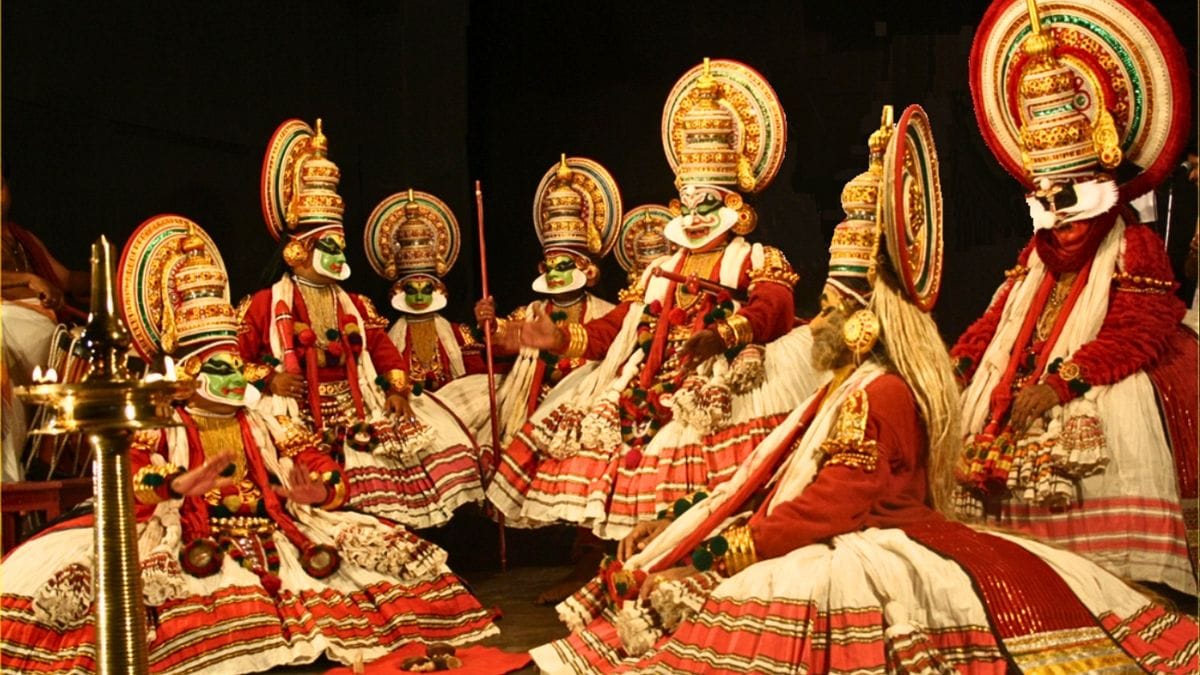
Kathakali is a visually striking dance form, known for its elaborate makeup, colorful costumes, and dramatic storytelling. The themes are often drawn from the Mahabharata and Ramayana.
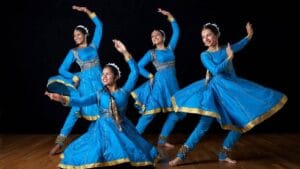
Performers wear heavy face paint, large headgear, and traditional attire. Every movement, from eye shifts to body postures, is calculated to portray emotions and tell a tale. Unlike most other dances, Kathakali is performed exclusively by men, even in female roles.
Kuchipudi
Origin: Andhra Pradesh
Kuchipudi is a dance-drama style that blends music, dance, and acting. It originated in village performances and was traditionally performed by male Brahmins. Over time, it evolved into a more structured and refined classical art.
One unique feature of Kuchipudi is the tradition of dancing on a brass plate, balancing a pot on the head — showcasing the dancer’s skill and balance. The dance is expressive, dynamic, and deeply spiritual.
Odissi
Origin: Odisha
Odissi is one of the oldest surviving dance forms in India, with roots going back over 2,000 years. It was originally performed in temples by maharis (female temple dancers).
This form is known for its fluid movements, sculpturesque poses, and strong connection to devotion, especially to Lord Jagannath. The dance includes tribhangi (three bends of the body) and chauka (a square-like stance), giving it a very distinctive look.
Manipuri
Origin: Manipur
Manipuri dance is deeply spiritual and often revolves around Vaishnavism and stories of Radha and Krishna. It is softer, more graceful, and less about facial expressions and more about body movements and hand gestures.
The Ras Lila, a devotional performance describing Krishna’s playful interactions with the gopis, is central to this style. The dancers wear beautifully embroidered traditional costumes and often seem to glide more than dance.
Mohiniyattam
Origin: Kerala
Mohiniyattam literally means “dance of the enchantress.” It’s a gentle, graceful form performed exclusively by women. The dance focuses on feminine love and devotion, often directed toward Lord Vishnu.
With its flowing movements, subtle expressions, and simple white and gold costume, Mohiniyattam creates an almost hypnotic storytelling experience.
Sattriya
Origin: Assam
Sattriya was introduced by the saint-scholar Srimanta Sankardeva in the 15th century. It was originally a monastic dance performed by male monks in sattras (monasteries).
Today, it is a recognized classical dance form with themes centered on Krishna and Vishnu. The style includes both dance and drama, with devotional music in the Assamese language.
Table
Here’s a quick overview of all the classical dance forms:
| Dance Form | Origin State | Key Features |
|---|---|---|
| Bharatanatyam | Tamil Nadu | Temple origins, expressive, rhythmic |
| Kathak | Uttar Pradesh | Spins, storytelling, court influence |
| Kathakali | Kerala | Makeup, drama, mythological themes |
| Kuchipudi | Andhra Pradesh | Dance-drama, brass plate balance |
| Odissi | Odisha | Sculptural poses, tribhangi, devotional |
| Manipuri | Manipur | Smooth, soft, Ras Lila centered |
| Mohiniyattam | Kerala | Feminine grace, flowing movements |
| Sattriya | Assam | Devotional, monastic origin, drama-based |
FAQs
Which is the oldest classical dance?
Bharatanatyam is considered the oldest Indian classical dance.
What is Kathak known for?
Kathak is famous for spins and rhythmic footwork.
Which dance uses elaborate makeup?
Kathakali uses heavy makeup and dramatic costumes.
Where did Odissi originate?
Odissi originated in the state of Odisha.
Who introduced Sattriya dance?
Saint Srimanta Sankardeva introduced Sattriya in Assam.