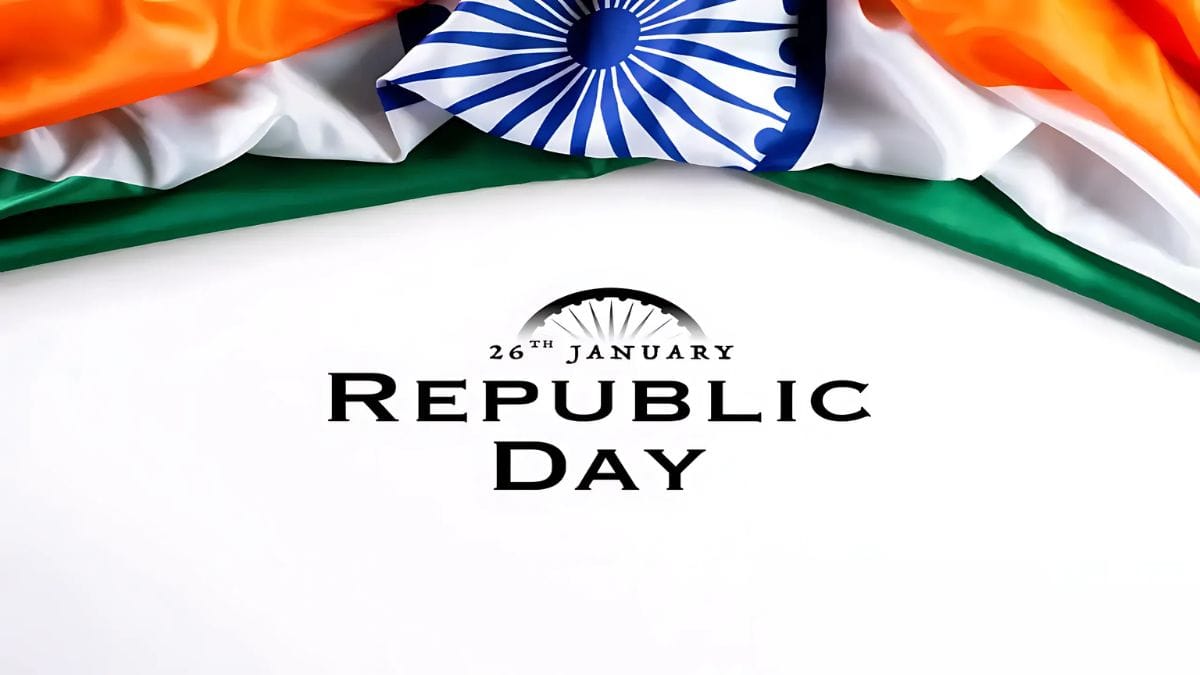
Every year on January 26, India celebrates Republic Day — but what makes this date so important? While India gained independence from British rule in 1947, it wasn’t until 1950 that the country truly became a republic. This transformation wasn’t just symbolic; it was a major step in shaping India’s identity as a democratic, sovereign nation. Let’s look into how and why Republic Day came to be, what happened in 1950, and what it meant for India’s future.
Background
After over 200 years of British colonial rule, India finally achieved independence on August 15, 1947. However, in the initial years, the country didn’t have its own Constitution. Instead, it continued using the Government of India Act, 1935, as a temporary framework.
India needed a document that reflected its own values, ideals, and vision for the future — written by Indians, for Indians. So, the process of creating the Constitution began right after independence.
Constitution
On August 29, 1947, a Drafting Committee was formed, chaired by Dr. B.R. Ambedkar. Over the next two years, the committee worked through countless debates, suggestions, and revisions. The final Constitution was adopted by the Constituent Assembly on November 26, 1949.
But why was January 26 chosen as the official day to enforce it?
Because back in 1930, the Indian National Congress had declared “Purna Swaraj” (complete independence) on January 26 — long before independence was actually achieved. To honor that historic declaration, the Constitution came into effect on January 26, 1950.
From that day onward, India officially became a republic — a nation where the head of state is elected, not a monarch.
Key Events
Here’s what happened on January 26, 1950:
- The Constitution of India came into force, replacing the Government of India Act, 1935.
- Dr. Rajendra Prasad took oath as the first President of India.
- India officially became a Sovereign Democratic Republic.
- The transition from Dominion of India to the Republic of India was complete.
The country now had its own Constitution, elected leaders, and a defined structure for governance. It was a proud and monumental moment in Indian history.
Significance
So, what changed on Republic Day that hadn’t already happened on Independence Day?
Here’s a breakdown:
| Aspect | August 15, 1947 | January 26, 1950 |
|---|---|---|
| Political Status | Independence from British rule | Became a full Republic |
| Legal Framework | Governed by 1935 Act | Constitution came into effect |
| Head of State | British Monarch (indirect) | Elected Indian President |
| Constitution | Not yet adopted | Fully operational |
In essence, August 15 gave India freedom, and January 26 gave it identity.
Celebrations
Republic Day is now one of the most celebrated national holidays in India. The highlight is the grand parade held every year at Rajpath in New Delhi.
Key features of the celebration include:
- March past by the armed forces
- Tableaux from different states and ministries
- Cultural performances
- Awards like the Padma Bhushan, Padma Shri, and bravery medals
- A foreign head of state as chief guest
- A flypast by the Indian Air Force
It’s not just a show of strength — it’s a display of India’s diversity, unity, and democratic spirit.
Legacy
Over the decades, Republic Day has remained a reminder of India’s commitment to democracy, equality, and justice. It also serves as a time to reflect on how far the nation has come and how much further it can go.
The Constitution of India — one of the lengthiest in the world — continues to guide the nation. And the values laid down on January 26, 1950, still shape laws, rights, and governance today.
FAQs
When did India become a republic?
India became a republic on January 26, 1950.
Why is January 26 important?
It marks the day India’s Constitution came into effect.
Who was India’s first President?
Dr. Rajendra Prasad became the first President of India.
What changed on Republic Day 1950?
India got its own Constitution and became a republic.
What is the main event on Republic Day?
The Republic Day Parade held in New Delhi is the highlight.