When we think of India’s freedom struggle, names like Mahatma Gandhi, Jawaharlal Nehru, and Bhagat Singh instantly come to mind. But behind these towering figures were thousands of brave individuals who made sacrifices just as powerful—yet their names rarely make it to history books or school lessons. These unsung heroes fought tirelessly, often in silence, without seeking fame or recognition. Today, let’s shine a light on some of these hidden warriors who played key roles in shaping independent India.
Matangini
Matangini Hazra, an elderly widow from West Bengal, became a powerful symbol of resistance during the Quit India Movement. At the age of 73, she led a peaceful protest march and was shot by British soldiers. Even as bullets struck her, she held the national flag high and chanted “Vande Mataram.” Her courage became an inspiration for generations.
Peer Ali
Peer Ali Khan was one of the earliest revolutionaries in the 1857 revolt. A bookbinder by profession in Patna, he distributed leaflets and letters that carried messages of rebellion. He was eventually captured and hanged by the British. Despite his critical role, very few outside Bihar know his name today.
Aruna
Aruna Asaf Ali was a firebrand freedom fighter who broke social barriers. She played a major role during the Quit India Movement and famously hoisted the Indian flag at the Gowalia Tank Maidan in 1942 when all senior leaders were arrested. Her act became a symbol of defiance. Later, she continued to work for women’s rights and social justice.
Velu
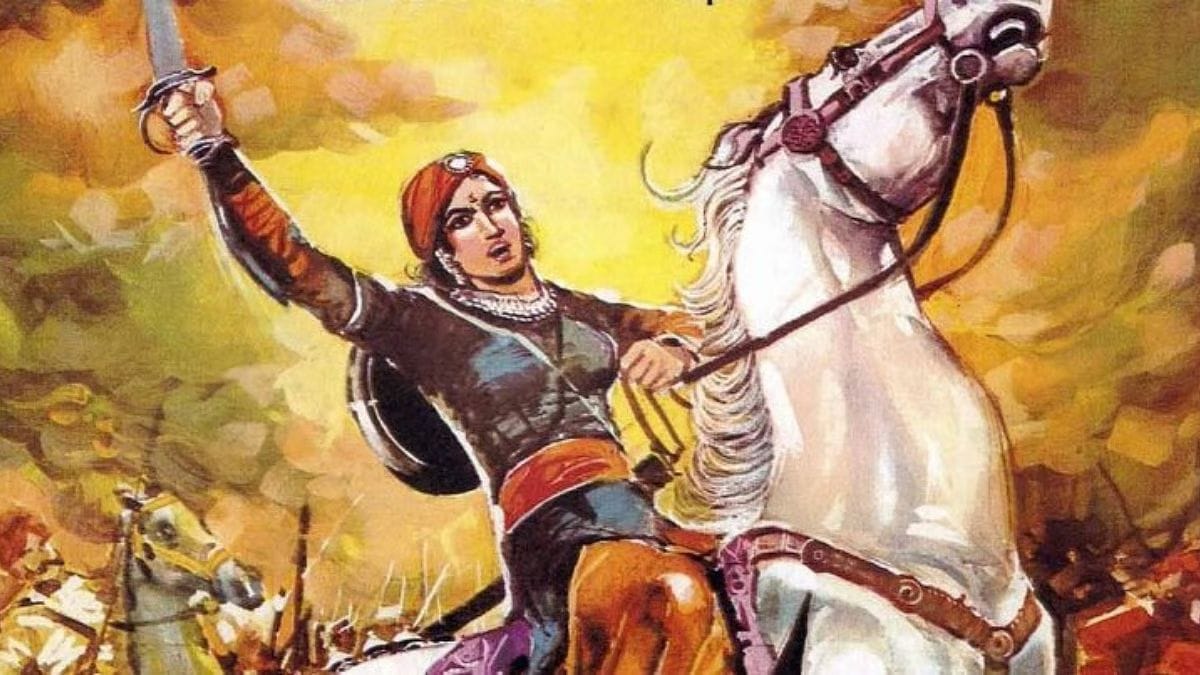
Velu Nachiyar, the queen of Sivaganga in Tamil Nadu, was a warrior way ahead of her time. In the 18th century—nearly 100 years before the 1857 revolt—she fought the British East India Company with the help of an army she built. She’s credited with planning the first recorded suicide attack in Indian history, carried out by her loyal commander Kuyili.
Kanaklata
Kanaklata Barua, a teenage girl from Assam, joined the Mrityu Bahini, a youth group involved in the Quit India Movement. At just 17, she was shot dead while trying to hoist the tricolor on a police station. Her short life was filled with deep patriotism and fearless action.
Khudiram
One of the youngest martyrs of the freedom movement, Khudiram Bose was just 18 when he was hanged by the British for a failed assassination attempt on a British magistrate. His boldness and spirit of sacrifice made him a youth icon, even if history hasn’t given him the space he deserves.
Lakshmi
Lakshmi Sahgal was an officer in the Indian National Army (INA) led by Netaji Subhas Chandra Bose. She led the Rani of Jhansi regiment, one of the first all-women combat units in modern military history. After independence, she continued to serve society as a doctor and political activist.
Chetram
Chetram Jatav was a soldier in the British army who turned rebel during the 1857 uprising. He led several attacks against colonial officers in Uttar Pradesh. Though he was captured and executed, his leadership inspired hundreds of Dalit youth to join the freedom movement.
These freedom fighters might not be in your school textbooks, but their stories are just as powerful, just as patriotic. They remind us that India’s independence wasn’t just the result of a few famous names, but a collective sacrifice by countless men and women across every region and community. They’re the reason we breathe free air today.
FAQs
Who was Matangini Hazra?
She was a 73-year-old freedom fighter from Bengal shot during protest.
Why is Khudiram Bose famous?
He was hanged at 18 for attacking a British magistrate.
What did Aruna Asaf Ali do?
She hoisted the flag during Quit India when leaders were jailed.
Who was Velu Nachiyar?
A queen who led a rebellion against British in Tamil Nadu.
What was Lakshmi Sahgal known for?
She led the INA’s Rani of Jhansi Regiment under Netaji Bose.