India’s climate action is picking up serious momentum, and 2025 is shaping up to be a milestone year. With mounting global pressure and increasing domestic pollution challenges, the country is leaning hard into renewable energy. The big question: Can India meet its green goals while keeping the economy on track? Let’s cut into the key elements of India’s climate policy and its bold push into the renewable space.
Goals
India has laid out some serious targets. Under its commitments to the Paris Agreement and the updated Nationally Determined Contributions (NDCs), India plans to hit 500 GW of non-fossil fuel capacity by 2030. For 2025, it’s all about getting halfway there—generating around 50% of electricity from renewable sources.
This isn’t just about climate change. It’s also about cutting import dependence, improving energy security, and boosting green jobs. Plus, it positions India as a global leader among emerging economies.

Investment
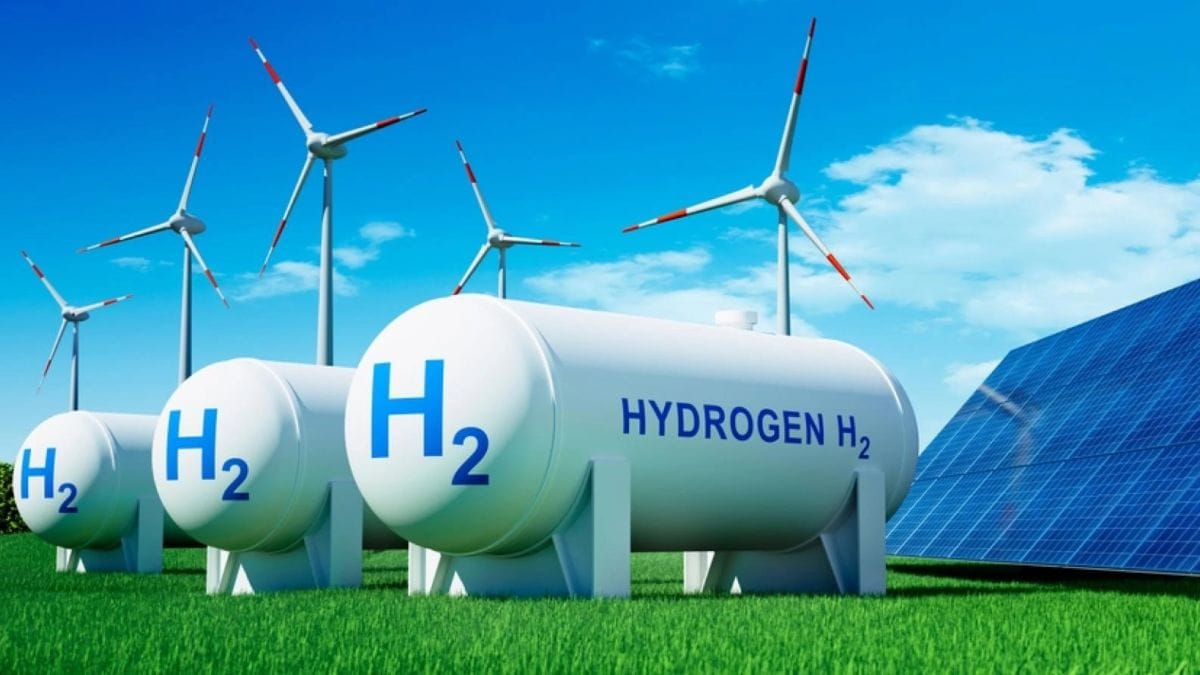
Big targets need big money. That’s why India is pumping serious cash into renewables. Government-backed schemes like the Production Linked Incentive (PLI) program are boosting solar manufacturing, while funding for green hydrogen and energy storage is expanding rapidly.
Private companies are also getting in on the action. Firms like Adani, Tata, and Reliance are scaling up wind and solar projects. Meanwhile, foreign investors are showing growing interest in India’s renewable push.
Here’s how renewable energy investment is shaping up:
| Year | Investment (USD Billion) |
|---|---|
| 2021 | 11.3 |
| 2022 | 14.5 |
| 2023 | 17.8 |
| 2024 | 20.2 (estimated) |
| 2025 | 23.5 (projected) |
Solar
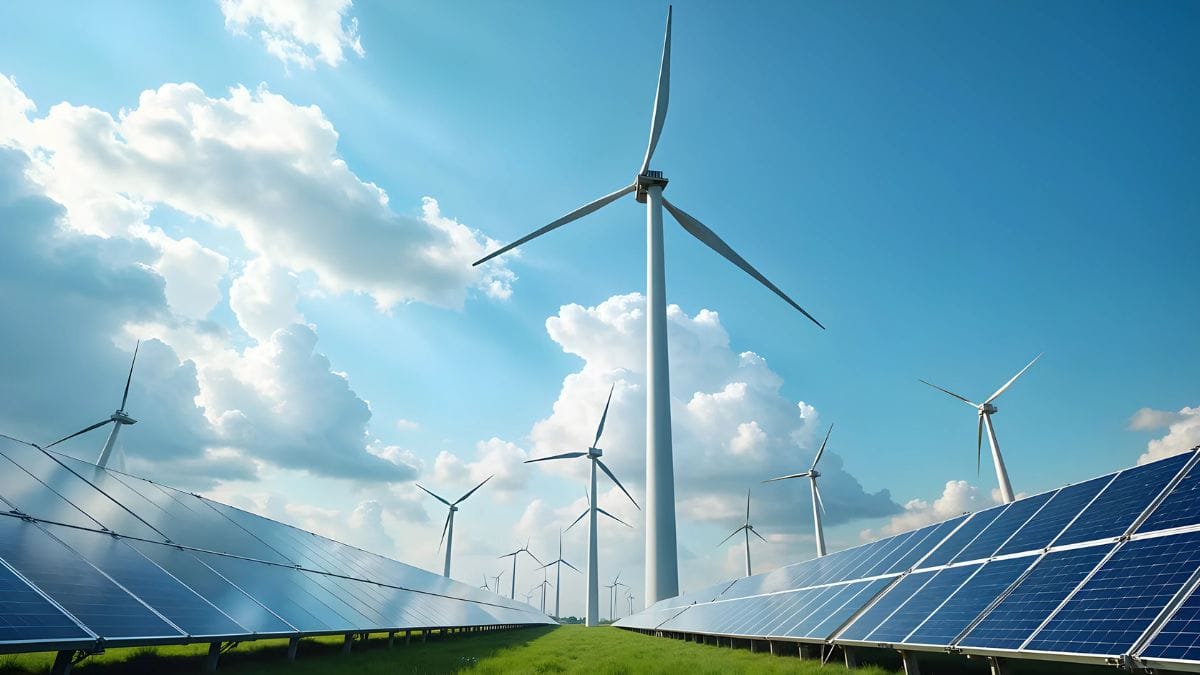
Solar is India’s crown jewel when it comes to renewables. With strong sunlight nearly year-round, the potential is massive. The government is pushing both large solar parks and small-scale rooftop installations.
One standout initiative is PM-KUSUM, which enables farmers to install solar pumps and sell excess electricity back to the grid. It’s a smart move that blends sustainability with rural income generation.
Wind
Wind power may not get as much attention as solar, but it plays a key supporting role. India’s coastal states—like Gujarat and Tamil Nadu—have excellent wind resources. The government is now exploring offshore wind projects to tap into even more potential.

Hybrid projects, which combine solar and wind, are gaining traction. These help stabilize power output by using solar during the day and wind at night.
Hydro
India’s river systems have long supported hydropower, and it’s still an important part of the mix. While big dams are controversial, the country is now focusing on small hydro projects that are easier on the environment.
Hydro also helps balance the grid. When solar and wind are underperforming, hydro can step in and keep the lights on.
Challenges
Of course, there are bumps on the road. Land acquisition issues, project delays, and outdated grid infrastructure often slow down renewable rollouts. Financing can also be tricky, especially for new technologies.
Storage remains a huge challenge. Without reliable battery systems, it’s hard to manage the ups and downs of solar and wind generation. India needs tech innovation and consistent policy backing to tackle these issues.
India’s climate policy for 2025 is more than just a plan—it’s a signal that the country is ready to lead in clean energy. The mix of solar, wind, and hydro—backed by strong investment—is setting a strong foundation. If the government and private sector stay aligned, India could become a global case study in green growth.
FAQs
What is India’s renewable energy goal for 2025?
India aims to meet 50% of electricity needs from renewables.
Which energy source is India’s focus in 2025?
Solar energy is the key focus for India’s renewable push.
How much is India investing in green energy?
India plans to invest $23.5 billion in renewables in 2025.
What is PM-KUSUM scheme?
It helps farmers install solar pumps and sell surplus power.
What are India’s clean energy challenges?
Grid issues, storage tech, and policy delays remain hurdles.