India is a land where every month feels like a celebration. With its rich cultural roots, religious traditions, and regional flavors, Indian festivals go beyond rituals—they’re vibrant expressions of joy, community, and identity. No matter where you go, there’s always a festival waiting to be celebrated. And what’s truly magical? Despite the differences in customs and languages, these celebrations bring people together like nothing else.
Diversity
India’s festivals reflect its diverse religious and cultural landscape. Hinduism, Islam, Christianity, Sikhism, Buddhism, Jainism—and countless regional beliefs—each contribute to a colorful calendar of events. From the snowy mountains of Kashmir to the sandy shores of Kerala, every festival looks different yet shares the same spirit: togetherness.
Different states often celebrate the same festival in unique ways. For example, Diwali in North India focuses on lights and sweets, while in Tamil Nadu, it’s more about oil baths and new clothes. Eid in Hyderabad comes with biryani, while in Kerala, it’s a coastal feast. That’s the beauty of India—one celebration, many flavors.
Major
Some festivals are celebrated nationwide, crossing religious and linguistic boundaries. These are the ones you’ve probably heard of, but there’s always more to discover behind the scenes.
| Festival | Religion/Origin | Key Features |
|---|---|---|
| Diwali | Hindu | Lights, sweets, firecrackers |
| Eid-ul-Fitr | Islamic | Prayers, feasts, charity |
| Christmas | Christian | Carols, decorations, midnight mass |
| Holi | Hindu | Colors, water fights, music |
| Baisakhi | Sikh | Harvest, dances, fairs |
| Navratri | Hindu | Fasting, dancing (Garba, Dandiya) |
| Pongal | Tamil Harvest | Boiled rice, sugarcane, rituals |
| Buddha Purnima | Buddhist | Meditation, teachings of Buddha |
These festivals are public holidays, marked by family get-togethers, traditional food, colorful clothes, and rituals. Even in urban areas where life moves fast, people pause to decorate their homes, cook festive meals, and participate in community events.
Regional
India’s local festivals are just as exciting. They reflect local history, seasonal shifts, and folk traditions. Many of these are celebrated with great passion in one state but remain unheard of in another.

For example:
- Onam in Kerala celebrates King Mahabali with flower carpets and boat races
- Lohri in Punjab marks the winter solstice with bonfires and songs
- Durga Puja in West Bengal is a grand display of artistry and devotion
- Hornbill Festival in Nagaland showcases tribal culture and unity
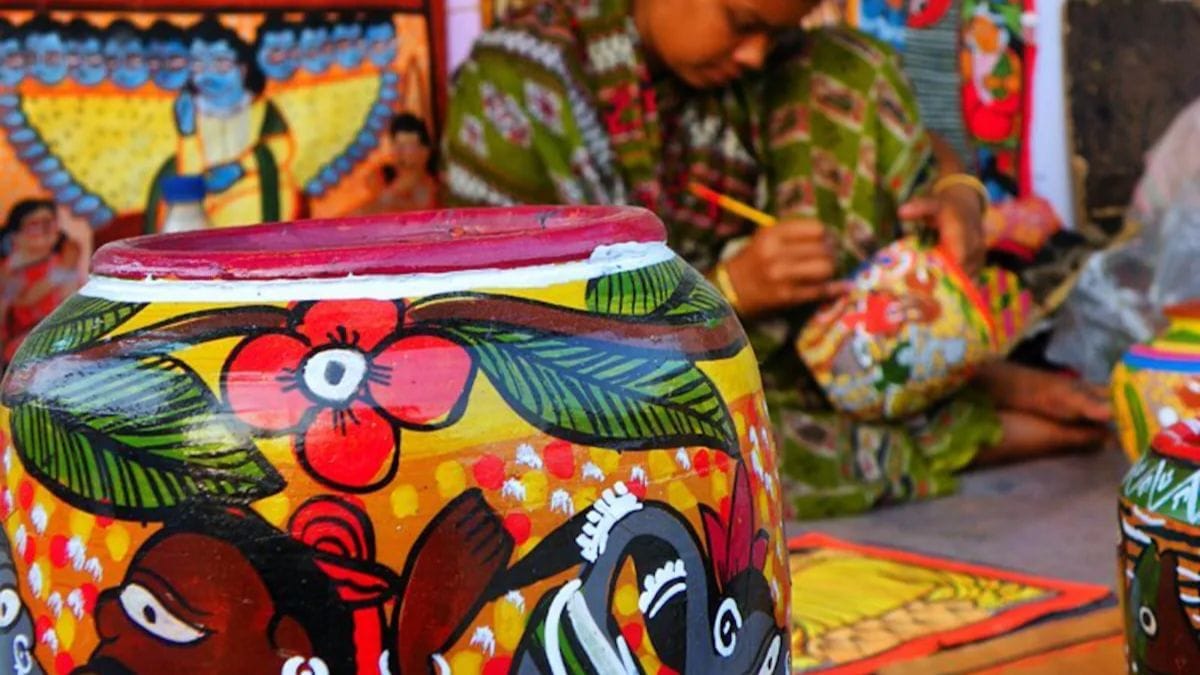
These regional events preserve traditional art forms, dances, songs, and rituals that might otherwise fade with time.
Secular
Apart from religious festivals, India also celebrates several secular and national festivals with equal enthusiasm. These events are about patriotism, civic pride, and shared values.
- Republic Day (Jan 26)
- Independence Day (Aug 15)
- Gandhi Jayanti (Oct 2)
- Children’s Day (Nov 14)
- Teacher’s Day (Sep 5)
These days are marked by flag-hoisting, cultural programs, and school functions. They remind citizens of the values that bind India together—freedom, democracy, education, and service.
Unity
Despite different customs, languages, and beliefs, Indian festivals create a sense of national unity. People across faiths often take part in each other’s celebrations. Neighbors exchange sweets during Diwali, greet each other during Eid, and light candles together on Christmas.
This culture of mutual respect and participation helps reduce social barriers and strengthens harmony. It’s not unusual to see a group of friends from different religions playing Holi together or sharing a meal during Baisakhi.
Modern
In 2025, festivals in India are both traditional and tech-savvy. People now host virtual celebrations, livestream religious ceremonies, and use social media to share greetings. Eco-friendly practices are also growing—like clay Ganesha idols, seed-infused rakhis, and community clean-up drives after festivals.
Shopping, travel, and tourism also boom during festive seasons. Malls light up, online stores run mega sales, and families take vacations tied to festive calendars.
Indian festivals continue to evolve, but their essence remains the same—bringing people together. In a nation as diverse as India, festivals are the invisible thread that binds its people. Whether you’re lighting a diya, flying a kite, or dancing to dhol beats, you’re part of a bigger story—the celebration of unity in diversity.
FAQs
Which is India’s biggest festival?
Diwali is one of the biggest and most celebrated festivals.
Do all religions celebrate festivals in India?
Yes, each religion has its own set of festivals.
Are Indian festivals region-specific?
Some are regional, others are celebrated nationwide.
How are festivals becoming eco-friendly?
With clay idols, natural colors, and reduced fireworks.
What unites Indians during festivals?
Shared joy, participation, and cultural respect.