The Revolt of 1857 wasn’t just a spontaneous outburst of anger. It was a storm building up over years of resentment, unfair policies, and cultural disrespect. While the British called it a “mutiny,” Indians view it as their first organized fight for freedom.
It shook the very roots of British power in India and sparked a fire that would later ignite the full-scale independence movement. Let’s cut into what really happened in 1857 and why it still matters today.
Background
Before the revolt, India was largely under the control of the British East India Company. This wasn’t a regular government—it was a private trading company that ruled over millions. Over time, their power grew, and so did their greed. Indian princely states were being annexed, local rulers dethroned, and the company imposed harsh taxes on farmers and landowners.
At the same time, the British disregarded Indian traditions and religious beliefs. The infamous Doctrine of Lapse allowed the British to take control of any kingdom where the ruler died without a natural heir. This policy was seen as a direct threat to Indian sovereignty, sparking widespread anger.
Triggers
The spark that lit the fire came from a very unexpected place—greased cartridges. The new Enfield rifles given to Indian soldiers (sepoys) required them to bite off cartridges that were rumored to be greased with cow and pig fat. For Hindus and Muslims alike, this was deeply offensive to their religious beliefs.
When 85 sepoys refused to use the cartridges at Meerut, they were punished harshly. The next day, their comrades rebelled, killing British officers and marching to Delhi. Once they reached the old Mughal capital, they declared Bahadur Shah Zafar as the Emperor of India. The revolt had officially begun.
Spread
From Delhi, the fire of rebellion spread like wildfire across northern and central India. Major centers like Kanpur, Lucknow, Jhansi, and Bareilly joined in. Local rulers, disbanded soldiers, peasants, and even common citizens took part in the revolt.
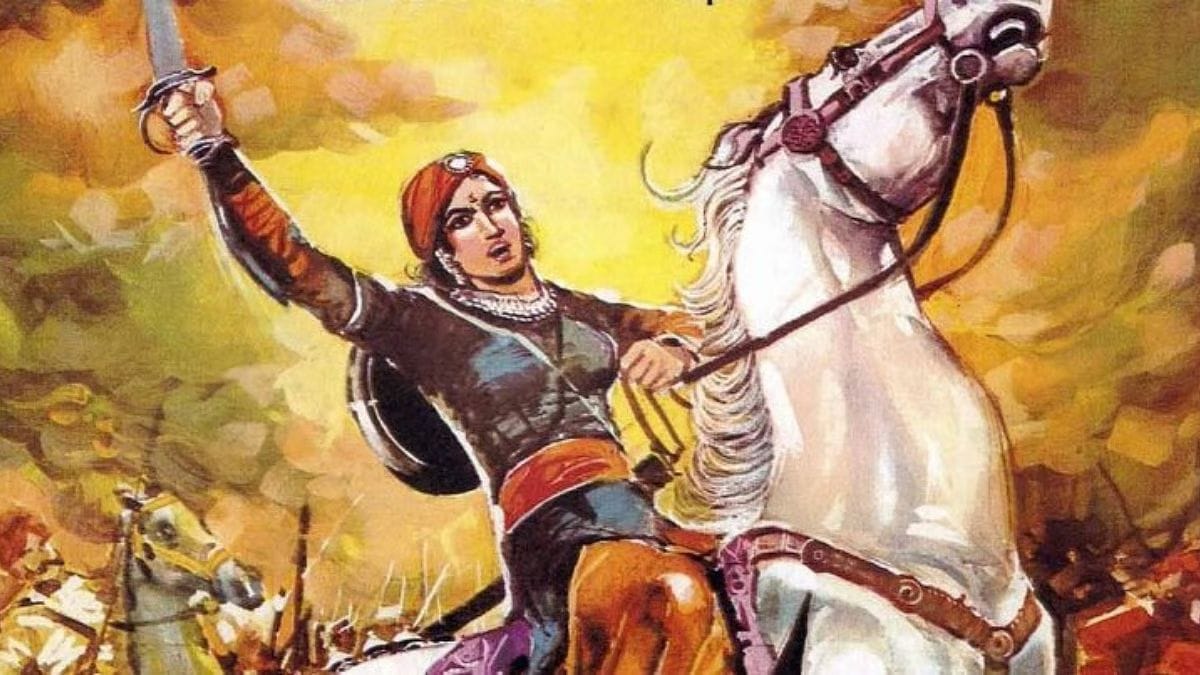
In Kanpur, Nana Sahib led the rebellion. In Jhansi, Rani Lakshmibai fought heroically, becoming a symbol of resistance. Begum Hazrat Mahal of Awadh also raised her voice against the British, refusing to be a silent spectator.
However, the revolt didn’t spread to all parts of India. The south and large parts of the east remained unaffected, and many Indian rulers stayed loyal to the British. This uneven support eventually played a role in the revolt’s failure.
Failure
Despite the passion and bravery shown by Indian fighters, the revolt didn’t succeed. Why? For starters, there was no clear leadership or central plan. Each region had its own agenda. There was no coordination between the rebels.
On the other side, the British had better weapons, disciplined troops, and help from loyal Indian princes. They also received reinforcements from Britain. One by one, the rebel centers were recaptured. By 1858, the revolt was effectively crushed, and Bahadur Shah Zafar was exiled to Burma.
Aftermath
Even though the revolt failed, it sent a strong message to the British Crown. The East India Company was abolished, and India came under direct rule of the British government. Queen Victoria promised to respect Indian customs and involve Indians in administration—though in reality, not much changed on the ground.
The revolt marked the end of the Mughal Empire and the beginning of the British Raj. It also planted the first seeds of nationalism in India. People began to think of India as one nation, and not just a collection of regions.
Legacy
The Revolt of 1857 is now remembered as India’s First War of Independence. It may not have succeeded, but it inspired future generations. The names of Rani Lakshmibai, Mangal Pandey, Nana Sahib, and others are remembered with pride.
It taught the British that India couldn’t be ruled through oppression forever. And it taught Indians that unity was their greatest strength. The lessons from 1857 would later be used by leaders like Mahatma Gandhi and Subhas Chandra Bose in their fight for freedom.
While the revolt was brutally suppressed, the spirit behind it never died. It laid the foundation for India’s long and painful, but ultimately successful, struggle for independence.
FAQs
What caused the 1857 revolt?
Unfair policies, cultural insensitivity, and military grievances.
Who led the revolt in Jhansi?
Rani Lakshmibai led the rebellion in Jhansi.
Why was the Enfield rifle controversial?
Its cartridges were greased with cow and pig fat.
Was the revolt nationwide?
No, it was mostly limited to North and Central India.
What happened after the revolt?
The British government took direct control of India.