India’s culture isn’t just old—it’s eternal. From ancient manuscripts and folk traditions to temple architecture and classical dance, this heritage runs deep. But who’s working behind the scenes to protect and promote it all? That’s where IGNCA comes in. The Indira Gandhi National Centre for the Arts (IGNCA) plays a vital role in preserving the essence of India’s artistic and cultural wealth. Let’s look into how this unique institution is keeping India’s legacy alive for future generations.
Origins
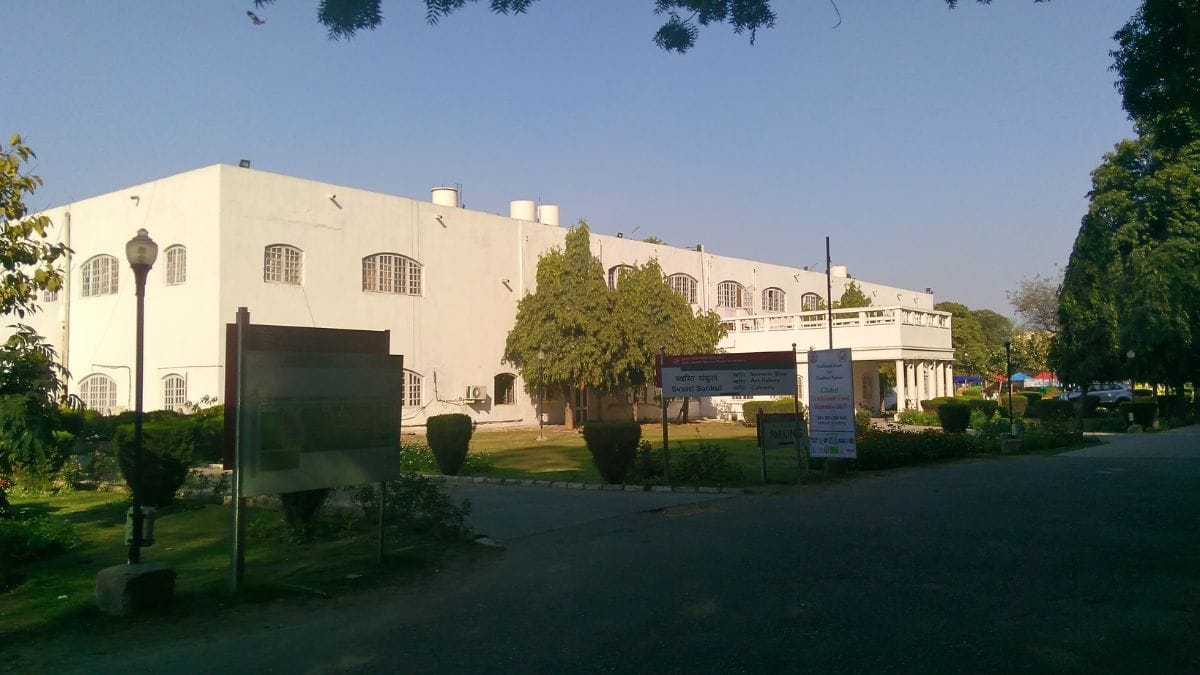
The IGNCA was established in 1987 in memory of former Prime Minister Indira Gandhi. It was envisioned as more than just an archive or museum—it was to be a hub of interdisciplinary research and conservation. Under the Ministry of Culture, the center began its work with a single mission: to preserve, study, and celebrate India’s diverse cultural expressions.
What sets IGNCA apart is its holistic approach. It doesn’t just focus on one form of art. It treats all aspects—written, oral, visual, material, and performing—as connected and equally valuable.

Mandate
The core purpose of IGNCA is documentation, conservation, and dissemination. That means collecting ancient texts, recording oral traditions, preserving rare photographs, restoring artworks, and making all of this accessible to the public and scholars.
Its work spans across disciplines—literature, music, dance, theatre, architecture, folklore, and tribal art. It also studies how Indian traditions interact with nature, spirituality, and human behavior. So it’s not just about art—it’s about understanding life through culture.
Projects
Over the years, IGNCA has launched a variety of long-term cultural projects. One of the most well-known is the Kalāsampadā Digital Library. This massive online archive houses thousands of manuscripts, rare books, photos, audio recordings, and videos. It’s like a virtual time machine for Indian culture.

Other notable projects include:
- Vedic Heritage Portal: Digitizing ancient Vedic texts and chants
- Rock Art Project: Documenting prehistoric rock art sites across India
- Lalan Project: Research on saint poets and oral traditions
- Abhinavagupta Project: Dedicated to the works of the Kashmiri philosopher and aesthetician
These efforts make sure ancient wisdom isn’t just preserved but also studied and shared globally.
Research
IGNCA also serves as a research institution. Scholars from all over the world visit to explore India’s cultural past. It provides grants, hosts lectures, seminars, and exhibitions, and supports young researchers working in the field of traditional arts and humanities.
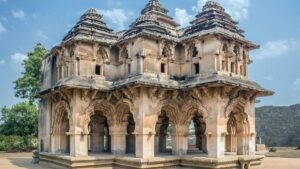
By combining academic work with creative expression, it creates a space where old knowledge and new ideas meet. This dynamic approach keeps traditional wisdom relevant even today.
Outreach
Preserving culture isn’t enough if it stays locked away. IGNCA takes its work to the public through festivals, exhibitions, art shows, theatre performances, and film screenings. It collaborates with schools, universities, and international institutions to spread awareness and education.
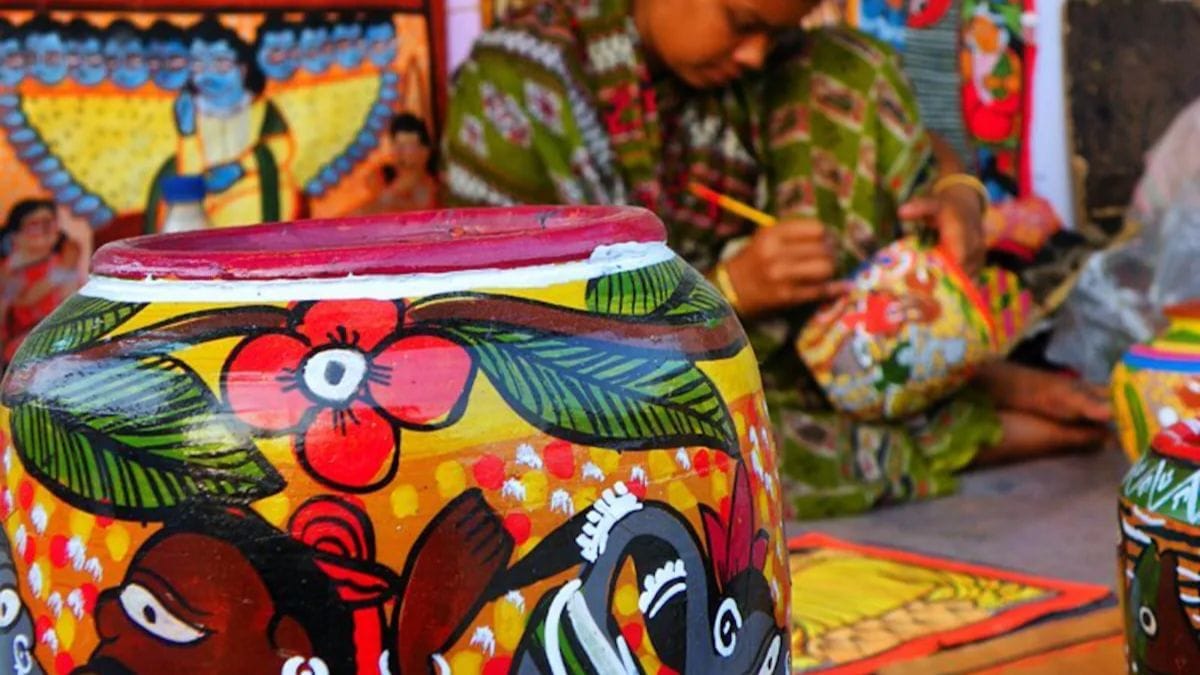
Its regional centers across India ensure that local traditions get equal recognition and support. Whether it’s a tribal dance in Chhattisgarh or an ancient scroll painting in Rajasthan, IGNCA works to bring them all into the spotlight.
Relevance
In today’s fast-paced digital world, traditional art forms risk fading into obscurity. That’s why IGNCA’s role is more important than ever. It bridges the gap between ancient heritage and modern audiences. By digitizing archives, supporting artists, and educating youth, it ensures that culture doesn’t just survive—it thrives.
Culture isn’t a museum piece. It’s a living, breathing part of who we are. And IGNCA stands as a guardian, making sure that this living heritage continues to inspire and guide generations to come.
FAQs
What is IGNCA’s full form?
Indira Gandhi National Centre for the Arts.
When was IGNCA established?
It was established in 1987.
What does IGNCA do?
It preserves and promotes Indian art and culture.
What is Kalāsampadā?
A digital library of India’s cultural resources.
Does IGNCA support researchers?
Yes, it offers grants and research facilities.