India is a land of living history. From ancient temples to majestic forts, and wildlife parks to bustling historic cities—each place tells a story. No wonder India boasts 42 UNESCO World Heritage Sites (as of 2024), each recognized for its outstanding cultural or natural importance. Whether you’re a history buff, nature lover, or curious traveler, this guide will walk you through everything you need to know about these gems of Indian heritage.
Overview
UNESCO (United Nations Educational, Scientific and Cultural Organization) identifies and protects sites across the world that have cultural, historical, scientific, or natural significance. India’s heritage sites fall under three categories:
| Type of Site | Number of Sites |
|---|---|
| Cultural | 34 |
| Natural | 7 |
| Mixed (Cultural + Natural) | 1 |
With a blend of ancient architecture, sacred sites, natural parks, and historic towns, India ranks 6th globally in the number of UNESCO sites.

Cultural
India’s cultural heritage sites span centuries and civilizations. These include temples, palaces, forts, caves, and historic cities. Some highlights:
- Taj Mahal (Uttar Pradesh): A global symbol of love and architectural perfection
- Ajanta & Ellora Caves (Maharashtra): Rock-cut Buddhist, Hindu, and Jain monuments
- Khajuraho Group of Monuments (Madhya Pradesh): Known for their intricate sculptures
- Sun Temple, Konark (Odisha): A 13th-century architectural marvel shaped like a chariot
- Jaipur City (Rajasthan): A planned urban masterpiece with a rich royal legacy
These sites not only showcase architectural brilliance but also reflect India’s spiritual, artistic, and scientific advancements.
Natural
India’s natural sites are globally recognized for their biodiversity and ecological value. If you’re into nature and wildlife, these are must-visits:

- Kaziranga National Park (Assam): Home to the largest population of one-horned rhinoceroses
- Sundarbans National Park (West Bengal): The largest mangrove forest in the world, with Royal Bengal Tigers
- Western Ghats: A global biodiversity hotspot that stretches across 6 Indian states
- Great Himalayan National Park (Himachal Pradesh): High-altitude wilderness and rare species
These sites are vital for conservation and offer opportunities for eco-tourism and nature research.
Mixed
India has one mixed heritage site:
- Khangchendzonga National Park (Sikkim): It combines natural beauty with spiritual and cultural significance in the Himalayan region. It’s sacred to the local communities and rich in biodiversity.
Recent Additions
In recent years, India has added several new sites that reflect modern conservation efforts:

- Santiniketan (2023): The university town founded by Rabindranath Tagore in West Bengal
- Sacred Ensembles of the Hoysalas (2023): Temples in Karnataka showcasing the unique Hoysala architectural style
These newer inclusions show that India’s cultural journey isn’t stuck in the past—it’s continuously growing and evolving.
Importance
So why do these sites matter? Because they preserve our collective memory. They connect us to ancient traditions, natural wonders, and shared values. UNESCO World Heritage status also helps in securing funds, boosting tourism, and encouraging sustainable conservation practices.
They’re not just tourist spots—they’re living symbols of our identity.
Travel Tips
If you’re planning to visit some of these places:
- Check the season: Summers can be harsh in many regions
- Hire local guides: They add cultural context to your visit
- Respect the sites: No littering, vandalism, or touching artwork
- Look beyond photos: Take time to understand the story of each site
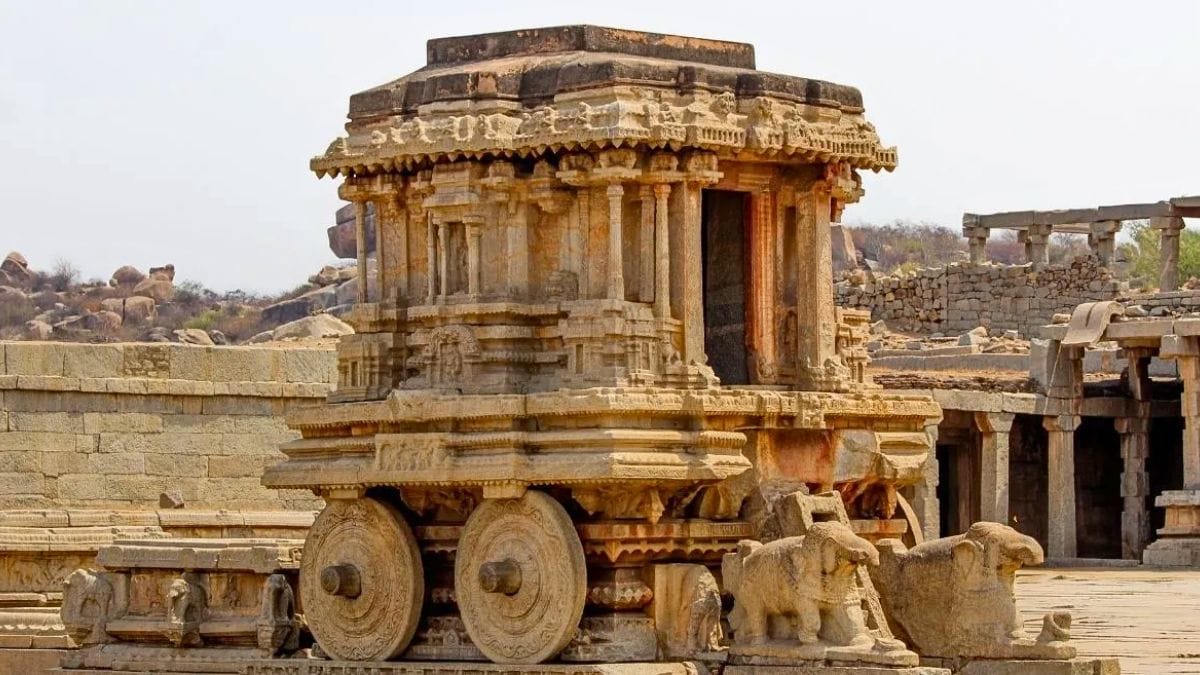
Whether you’re wandering through the ruins of Hampi or tracking tigers in Ranthambore, each trip becomes a lesson in history and nature.
FAQs
How many UNESCO sites in India?
India has 42 UNESCO World Heritage Sites.
What is the first UNESCO site in India?
Ajanta Caves and Ellora Caves, added in 1983.
Which is India’s only mixed site?
Khangchendzonga National Park in Sikkim.
What is the newest UNESCO site?
Santiniketan and Sacred Hoysalas were added in 2023.
Can tourists visit these sites?
Yes, most sites are open to tourists with entry fees.