The Revolt of 1857 was not just a mutiny—it was the first large-scale expression of resistance against British rule. While it may not have immediately thrown the British out of India, it laid the foundation for what would eventually become the Indian freedom struggle. This turning point in history shifted the mindset of millions, planting the seeds of nationalism and collective identity that shaped the fight for independence.
Causes
The revolt didn’t happen overnight. Years of political, economic, and social unrest had been simmering across the country. The annexation of Indian kingdoms under the British policy of Doctrine of Lapse angered rulers and nobles. Indian soldiers, known as sepoys, faced discrimination in pay, promotions, and treatment.
The final trigger was the introduction of the new Enfield rifle. The cartridges were believed to be greased with cow and pig fat—offensive to both Hindu and Muslim beliefs. This small but symbolic issue lit the fuse that had long been waiting to explode.
Spread
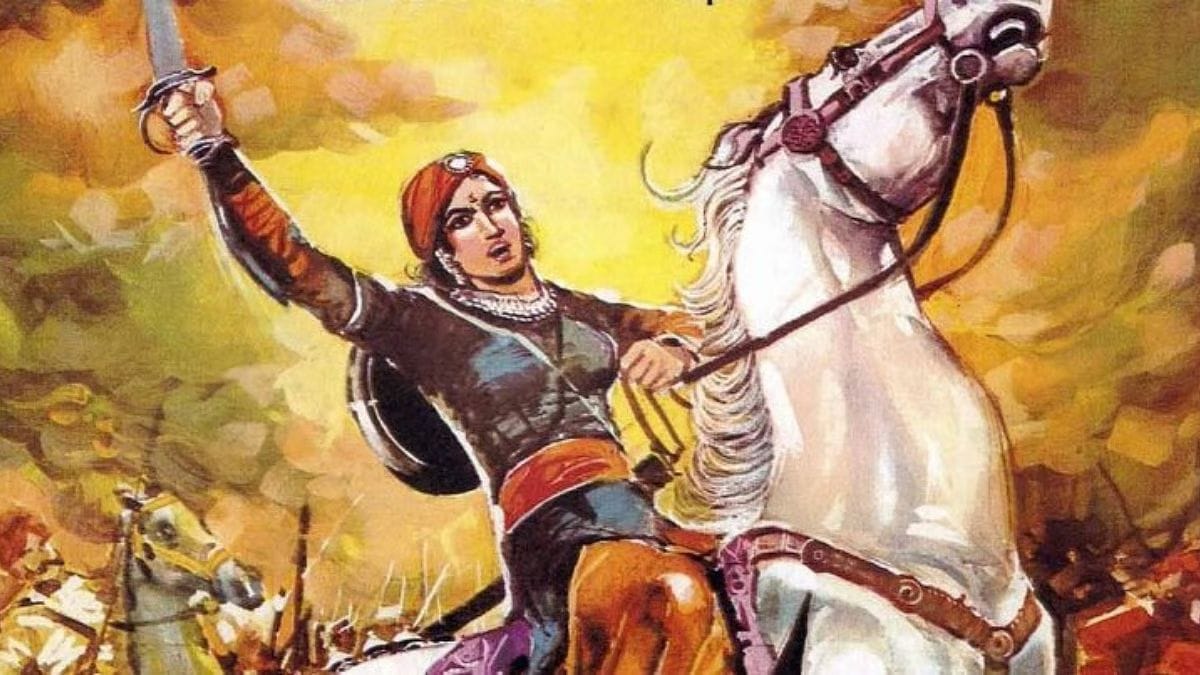
What began as a military rebellion in Meerut on May 10, 1857, quickly spread across North and Central India. Delhi, Kanpur, Lucknow, Jhansi, and Gwalior became major centers of the uprising. Key leaders like Rani Lakshmibai of Jhansi, Tantia Tope, Begum Hazrat Mahal, Nana Sahib, and Bahadur Shah Zafar emerged as the face of the resistance.
Though the revolt spread rapidly, it lacked coordination. Most of the southern and eastern parts of India remained unaffected, and communication among rebel leaders was limited. Despite their courage, the rebels were eventually defeated by the better-equipped and more organized British forces.
Aftermath
The British repressed the revolt with brutal force. Villages were burned, and thousands were killed. Bahadur Shah Zafar was exiled, and the Mughal dynasty came to an end. But the impact of the revolt was much deeper than immediate results.
In 1858, the British Crown took direct control of India, ending the rule of the British East India Company. The administration was restructured, and efforts were made to include Indians in governance, though in a limited capacity.
Impact
While the revolt failed in its immediate objective, it shook the British confidence and made them rethink how they ruled India. More importantly, it became a symbol of Indian unity and resistance.
The idea of a united struggle took root. People began to see themselves not just as residents of princely states or local communities, but as part of a larger Indian identity. The shared experience of oppression and rebellion created a foundation for the future freedom movement.
Nationalism
The Revolt of 1857 inspired generations of freedom fighters. Leaders like Bal Gangadhar Tilak, Lala Lajpat Rai, and Mahatma Gandhi often referred to the courage of 1857 heroes in their speeches. Poems, folk songs, and local legends kept the spirit alive, especially in rural areas.
The revolt also changed British policies. The army was reorganized to prevent future mutinies, and the divide-and-rule policy was introduced more aggressively to keep communities apart. Ironically, these efforts only deepened the resentment and strengthened the call for independence in the long run.
Legacy
Today, the Revolt of 1857 is remembered as the First War of Indian Independence. It marked the beginning of a long, painful, but determined journey toward freedom. The stories of Rani Lakshmibai’s bravery or the fall of Delhi are still taught in schools and celebrated in literature and cinema.
More than a rebellion, it was a mirror showing the power of united resistance. It proved that Indians could rise, fight, and challenge a mighty empire. That legacy continues to inspire every movement in India that seeks justice and change.
FAQs
When did the 1857 revolt begin?
It began on May 10, 1857, in Meerut.
Who led the revolt in Jhansi?
Rani Lakshmibai led the uprising in Jhansi.
What triggered the revolt of 1857?
The use of greased cartridges triggered the revolt.
Was the revolt successful?
It failed militarily but sparked Indian nationalism.
Why is it called the First War of Independence?
Because it was the first major anti-British uprising.