Ever wondered how India went from a maze of taxes to a single, unified tax system? That’s the magic (and the mess!) of GST—Goods and Services Tax. Introduced in 2017, GST was the biggest tax reform independent India had ever seen. But what did it actually change? And how has it impacted businesses, consumers, and the economy? Let’s break it all down.
Before
Before GST, India’s tax system was a complicated web. States had their own taxes. The Centre had its own. If you bought a product, you could be paying VAT, excise duty, service tax, luxury tax—all at once. This made doing business across states a nightmare.
Goods moved slowly due to tax checkpoints. Companies faced double taxation. Consumers paid hidden taxes they didn’t even know about. It was clear: the system needed a reboot.

Reform
GST replaced over 17 indirect taxes with a single, transparent tax structure. It applies uniformly across the country—whether you’re buying soap in Surat or a phone in Pune, the tax rules are the same.
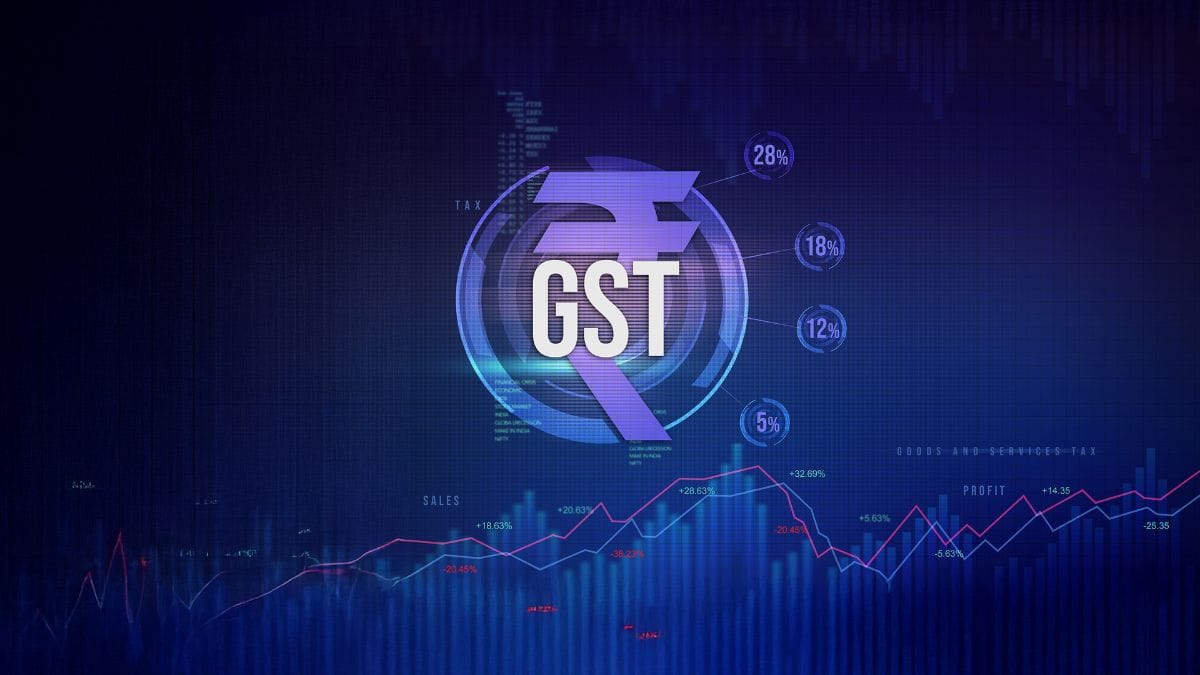
GST is structured in five main slabs—0%, 5%, 12%, 18%, and 28%. Different goods and services fall into different brackets. Essentials are taxed low or not at all, while luxury items and sin goods face higher rates.
Here’s a simplified look:
| GST Rate | Examples |
|---|---|
| 0% | Fresh veggies, milk, education |
| 5% | Food items, footwear under ₹1000 |
| 12% | Processed foods, computers |
| 18% | Mobile phones, services |
| 28% | Luxury cars, tobacco, ACs |
Impact
GST simplified compliance for businesses. Instead of filing separate taxes for each state, companies now file one monthly return. The introduction of the e-way bill system also sped up transport, cutting delays at state borders.
For the government, GST has boosted tax collection and improved transparency. More people are now part of the formal economy.
But let’s be honest—it wasn’t all smooth. The early days saw tech glitches, confusion, and small businesses struggling to adapt. Still, with updates and reforms, things have improved over time.

Digital
GST also pushed India further into the digital age. With everything—from registration to return filing—happening online, it nudged many unorganized sectors to go digital.
The GST Network (GSTN) became the digital backbone. Returns are matched automatically, fake invoices are easier to track, and input tax credit claims are more structured.
Economy
GST’s biggest win? Creating a common national market. Earlier, moving goods between states involved extra costs and paperwork. Now, it’s as seamless as shipping within a city.
This improved supply chains, reduced costs, and helped businesses scale faster. Over time, GST is expected to improve India’s ease of doing business and attract more investment.
Future
GST is still evolving. The government has tweaked rates, added exemptions, and simplified rules. Future goals include bringing fuel and real estate under GST, and maybe even moving towards a single rate structure.
If done right, GST can truly become the game-changer it promised to be—transparent, fair, and pro-growth.
FAQs
When was GST launched in India?
GST was launched on July 1, 2017.
What did GST replace?
It replaced over 17 indirect taxes in India.
What are the GST tax slabs?
GST has 0%, 5%, 12%, 18%, and 28% tax slabs.
Is GST filing done online?
Yes, GST registration and returns are fully digital.
Does GST apply to all products?
Most products, except a few like fuel, are under GST.