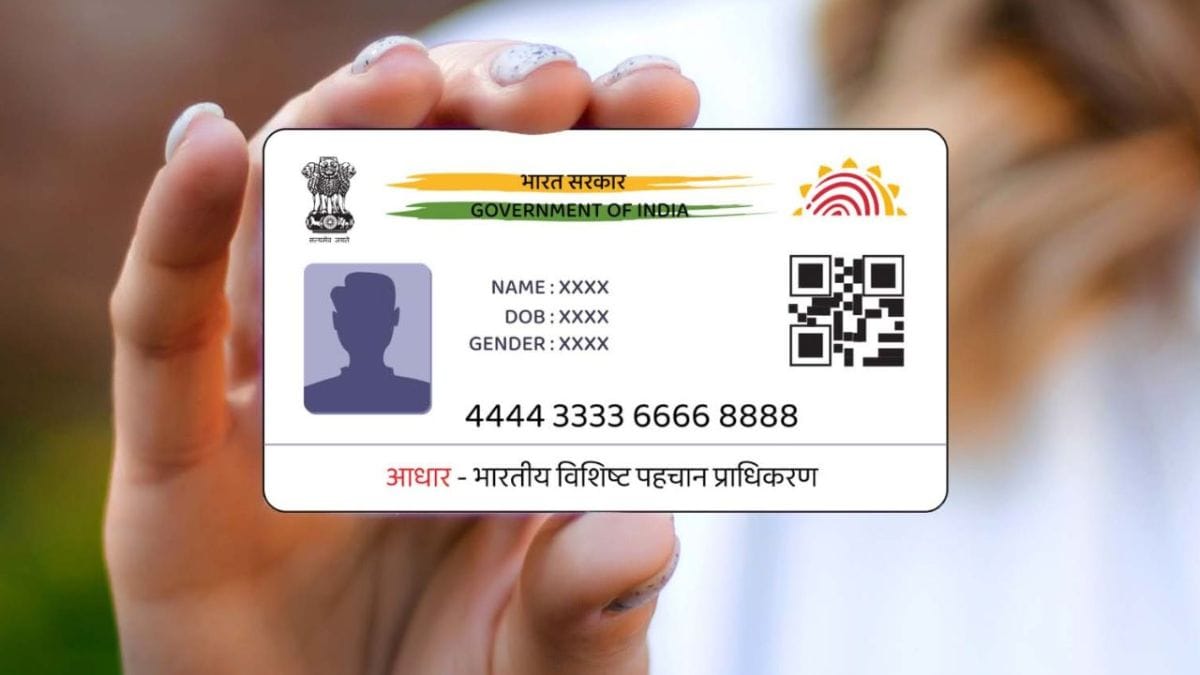
Aadhaar is not just a 12-digit number—it’s the foundation of India’s digital revolution. Launched in 2009, this biometric-based identity system has transformed how Indians access services, prove identity, and interact with the government. Today, Aadhaar touches nearly every aspect of life, from banking to healthcare to welfare delivery. But how did it all start, and where is it headed?
Origin
The Aadhaar project was launched by the Unique Identification Authority of India (UIDAI) with a simple idea: provide every Indian with a unique, verifiable identity. Before Aadhaar, proving identity often required multiple documents. This was especially tough for the poor, the rural population, and migrant workers.
By linking biometric data like fingerprints and iris scans with demographic details, Aadhaar aimed to create a foolproof identity system. In just over a decade, it became the world’s largest digital ID program.

Coverage
As of 2025, Aadhaar has been issued to more than 1.3 billion people, covering over 98% of the adult population. Children are also being enrolled under Baal Aadhaar to create early digital records. With widespread acceptance, Aadhaar has become the default ID for most official tasks.
From getting a SIM card to opening a bank account or receiving government subsidies, Aadhaar simplifies it all. And because it’s linked to mobile numbers and bank accounts, it forms the backbone of India’s digital public infrastructure.
Services
Aadhaar is now central to hundreds of services. It helps verify identity instantly and securely. Aadhaar-enabled Payment Systems (AePS) allow people to withdraw money at micro-ATMs using just a fingerprint.

It also powers Direct Benefit Transfers (DBT), ensuring that subsidies for food, LPG, pensions, and scholarships reach the right people without middlemen. Services like DigiLocker, e-KYC, and eSign also use Aadhaar to fast-track digital processes.
Here’s how Aadhaar is used in everyday services:
| Service Type | Aadhaar Use Case |
|---|---|
| Banking | e-KYC, account opening, AePS |
| Telecom | SIM card activation |
| Education | Scholarship verification |
| Healthcare | Ayushman Bharat ID linkage |
| Welfare Schemes | LPG, PDS, pensions via DBT |
Security
Security has always been a key concern with Aadhaar. UIDAI has built multiple layers of protection, including data encryption, access control, and audit trails. Aadhaar authentication also follows strict protocols.

That said, privacy advocates have raised valid questions. In response, India passed the Digital Personal Data Protection (DPDP) Act in 2023 to tighten data sharing and protect user consent. Now, entities using Aadhaar must follow stricter norms and limit data usage.
Inclusion
Aadhaar has helped bring millions into the formal economy. For rural citizens without traditional documents, it acts as the first step toward financial inclusion. With Aadhaar, they can open bank accounts, get insurance, and receive benefits without red tape.
Even migrant workers benefit, as Aadhaar-linked ration cards under the One Nation One Ration Card scheme allow them to access food subsidies anywhere in India.
Challenges
Despite its success, Aadhaar isn’t perfect. Internet connectivity in rural areas can make biometric authentication difficult. There have also been cases of data entry errors and exclusion from welfare due to authentication failures.
Another challenge is ensuring people understand their rights and how Aadhaar is used. Many still fear losing benefits or being tracked. More awareness and digital literacy are needed to address these concerns.
Aadhaar is a massive leap in India’s journey toward digital governance. It has made public services faster, more efficient, and more transparent. But as Aadhaar continues to expand, keeping a balance between innovation, privacy, and inclusion is key. The future will depend not just on technology, but on how responsibly it’s used.
FAQs
What is the Aadhaar number used for?
It verifies identity for banking, welfare, and services.
Is Aadhaar mandatory for all services?
No, it’s voluntary for most services but widely used.
How secure is Aadhaar data?
UIDAI uses encryption and strict protocols to secure data.
Can children get Aadhaar?
Yes, Baal Aadhaar is issued for children under 5.
What is AePS in Aadhaar?
AePS lets you withdraw cash using Aadhaar authentication.