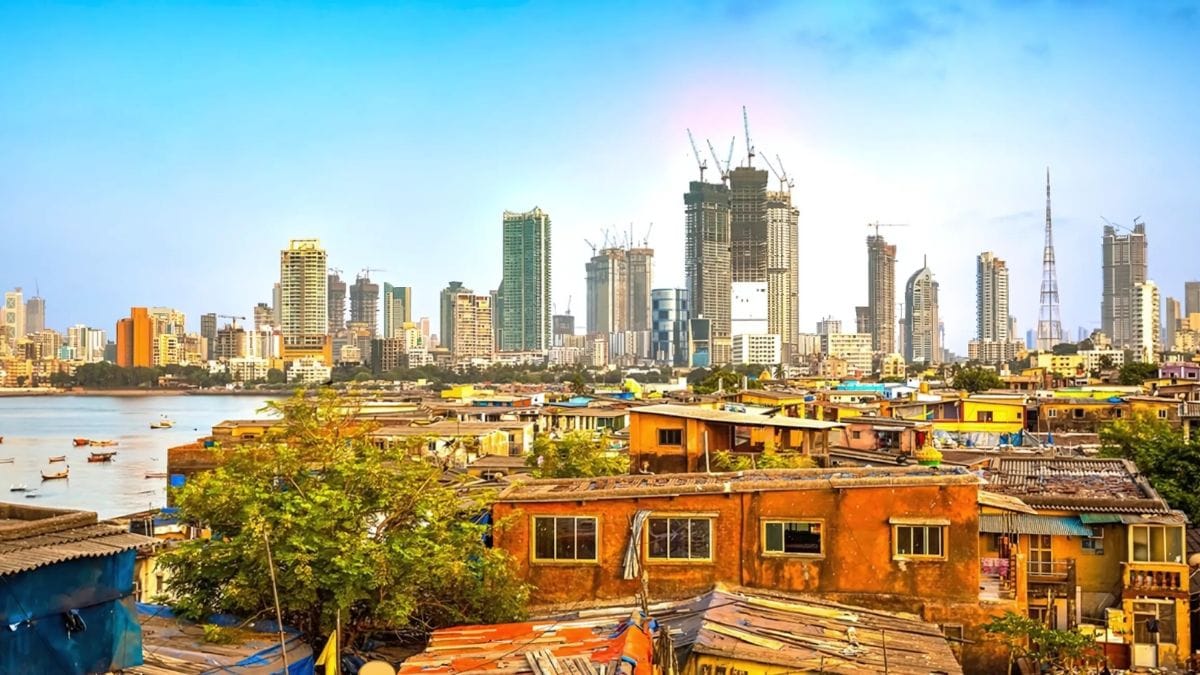
India’s urban landscape is changing fast—and at the heart of that change is the Smart Cities Mission. Launched in 2015, this government initiative aims to turn 100 cities into modern, sustainable, and citizen-friendly urban centers. But what exactly makes a city “smart”? Think of it as giving cities a tech upgrade while also solving day-to-day urban problems like traffic jams, pollution, poor housing, and inefficient public services. Let’s cut into how the mission is transforming India and what it means for the future.
Purpose
The goal of the Smart Cities Mission is clear: create cities that offer a high quality of life by blending technology, infrastructure, and sustainable development. These cities are designed to be efficient, eco-friendly, and responsive to the needs of their residents.
Instead of a one-size-fits-all approach, each city develops its own unique Smart City Proposal (SCP), focusing on local issues. From smart lighting and traffic control to water management and housing, the aim is to make urban life smoother and smarter.

Features
What does a smart city actually include? Let’s break it down:
- Smart governance: Online platforms for citizen services
- Smart energy: Solar power and energy-efficient systems
- Smart mobility: Electric buses, bike lanes, smart parking
- Smart environment: Waste management, air quality control
- Smart living: Affordable housing and e-healthcare
- Smart economy: Boosting local businesses through digital infrastructure
These elements work together to improve the quality of life while cutting down on pollution and resource wastage.
Progress
As of 2025, over 90 cities have active projects under the Smart Cities Mission. Thousands of projects have been completed or are near completion. According to data from the Ministry of Housing and Urban Affairs, more than ₹1.8 lakh crore has been invested across all Smart Cities combined.

Here’s a quick look at the progress:
| Metric | Value |
|---|---|
| Total Smart Cities | 100 |
| Projects Completed | 7,500+ |
| Investment Committed | ₹1.8 lakh crore |
| Active Implementation | 90+ cities |
Some standout examples include:
- Bhopal: Smart poles and public Wi-Fi zones
- Pune: Intelligent traffic management
- Surat: Integrated command and control centers
- Bhubaneswar: Safe public spaces and smart roads
Challenges
It hasn’t all been smooth sailing. Cities have struggled with slow execution, outdated local governance systems, and land acquisition hurdles. Funding delays and lack of technical expertise also put the brakes on several projects.

Another major issue? The digital divide. Not everyone has access to smartphones or stable internet, limiting how much they can benefit from smart services. Balancing technology with inclusivity remains a major hurdle.
Impact
Despite the challenges, the mission is already having a visible impact. Cities like Indore and Ahmedabad have seen major improvements in cleanliness and livability. Safety has improved thanks to surveillance systems, and traffic management has become more efficient with real-time monitoring.
Moreover, these cities are also becoming magnets for investment. With better infrastructure and tech-driven governance, they’re drawing startups, tourists, and professionals alike.
So, is the Smart Cities Mission perfect? Not yet. But it’s a big step forward. It’s turning urban chaos into more organized, livable spaces that work for people—not just on paper, but in real life.
India’s Smart Cities Mission is more than just an urban development plan—it’s a vision for the future. It’s about making cities that are not just bigger but better. With continued public participation, private investment, and government push, these smart cities could become global benchmarks. The road ahead may be long, but the direction is definitely right.
FAQs
What is the Smart Cities Mission?
It’s a government program to make 100 Indian cities more livable and tech-driven.
When did the Smart Cities Mission start?
It was launched in June 2015 by the Government of India.
How many cities are part of the mission?
100 cities across India were selected to become smart cities.
What are some examples of smart projects?
Projects include smart traffic, clean energy, and digital services.
What challenges does the mission face?
Delays, funding gaps, and digital inequality are key issues.