India’s long and layered history is carved not just in memory but literally on rocks. Among the most remarkable ancient artifacts are the Rock Edicts of Emperor Ashoka. These inscriptions, dating back to the 3rd century BCE, are more than just old writings—they’re the earliest known written records of governance in India. If you’ve ever wondered how rulers communicated laws, values, and policies before paper and printing, Ashoka’s edicts are a fascinating peek into that world. Let’s cut into the world of stone-carved messages and what they reveal about ancient Indian governance.
Origins
After the bloody Kalinga War, Emperor Ashoka experienced a major transformation. He adopted Buddhism and shifted from conquest to compassion. To spread his new philosophy and guide his empire, Ashoka issued a series of edicts. These weren’t tucked away in palaces—they were carved into rocks and pillars, placed across the empire for everyone to see.
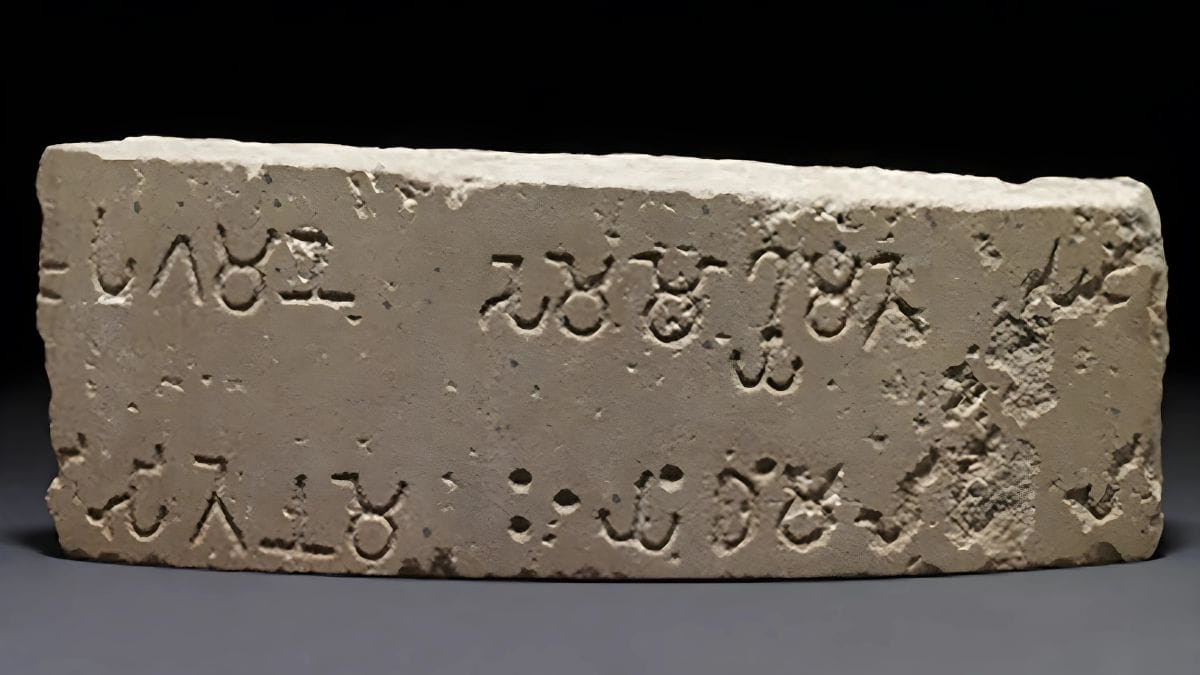
The Rock Edicts were written in Prakrit, using the Brahmi script in most regions. In areas like modern-day Afghanistan, they were also written in Greek and Aramaic, showing just how wide Ashoka’s influence spread.

Purpose
Why did Ashoka go through the trouble of engraving laws into stone? Simple. He wanted his message to last. Rocks don’t burn or rot. These edicts were meant to communicate his policies on justice, tolerance, and welfare to the common people.
Ashoka’s focus was more ethical than legal. He wasn’t just handing down rules—he was guiding behavior. The edicts emphasized moral conduct, kindness to animals, respect for elders, and religious tolerance. They weren’t just instructions—they were ideals.
Locations
The Rock Edicts are scattered across the Indian subcontinent. From Gujarat to Odisha, and even into Nepal and Pakistan, these inscriptions are proof of a connected empire. Major sites include Girnar, Dhauli, Jaugada, and Kalsi. Each location had its own set of edicts based on local needs and concerns.

Here’s a quick table showing a few key sites and their modern locations:
| Edict Site | Modern Location |
|---|---|
| Girnar | Gujarat |
| Dhauli | Odisha |
| Kalsi | Uttarakhand |
| Shahbazgarhi | Pakistan |
| Kandahar | Afghanistan |
Content
Ashoka’s Rock Edicts are divided into major and minor edicts. The Major Rock Edicts—14 in total—deal with administration, ethics, and religion. The Minor Rock Edicts focus more on personal messages and promotion of Dhamma, Ashoka’s moral code.
He speaks directly to his people—urging them to be honest, respectful, and non-violent. He even instructs officials, known as Dhamma Mahamatras, to visit people and spread these values. It’s governance with a moral backbone, which was rare in that era.

Significance
These edicts give us a rare inside look at the thinking of a ruler from ancient times. Ashoka wasn’t just building roads and collecting taxes—he was shaping minds. His idea of Dhamma was a mix of civic ethics, religious tolerance, and personal responsibility.
Even today, scholars refer to these edicts to understand early Indian political thought, language development, and administrative strategy. And the fact that they’re still standing is a testimony to Ashoka’s vision of permanence and legacy.
Ashoka’s Rock Edicts are more than relics. They are the ancient voice of a ruler who believed that good governance came from good values. While empires have risen and fallen, his messages remain carved in stone—literally and metaphorically. They continue to inspire debates on leadership, law, and morality. It’s a timeless lesson in how words—when set in stone—can outlast swords and empires.
FAQs
What are Ashoka’s Rock Edicts?
They are ancient stone inscriptions by Emperor Ashoka on governance.
Where are Ashoka’s Rock Edicts found?
They’re found across India, Nepal, Pakistan, and Afghanistan.
Which language is used in the edicts?
Mostly Prakrit in Brahmi script; some in Greek and Aramaic.
What is the main theme of the edicts?
They promote ethics, tolerance, and good governance.
How many Major Rock Edicts exist?
There are 14 Major Rock Edicts.