India’s handloom heritage isn’t just about fabric—it’s about stories, identity, and centuries of craftsmanship. Every region in the country has its own unique weave, style, and tradition.
From the soft cottons of Bengal to the rich silks of Kanchipuram, each textile tells a story that’s older than most modern nations. So, what makes Indian handlooms so special? Let’s unravel the threads.
Legacy
The roots of Indian handloom go back thousands of years—some even trace them to the Indus Valley Civilization. Over time, each region developed its own weaving style, often influenced by climate, culture, royal patronage, and religious practices.
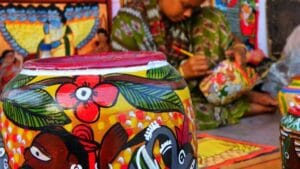
What’s amazing is that many of these techniques have remained unchanged. Handlooms were passed down through generations not just as a means of livelihood, but as a form of storytelling. They’re more than clothes—they’re culture you can wear.
Regions
Each part of India has its own textile identity. Here’s a quick look at some iconic weaves across the country:
| Region | Famous Weave | Fabric Type |
|---|---|---|
| West Bengal | Jamdani | Cotton |
| Tamil Nadu | Kanchipuram Silk | Silk |
| Gujarat | Patola | Silk |
| Uttar Pradesh | Chikankari | Cotton |
| Assam | Muga Silk | Silk |
| Odisha | Sambalpuri Ikat | Cotton/Silk |
| Punjab | Phulkari | Embroidered |
Each of these isn’t just a design—it reflects local life. For example, Jamdani often depicts lotus and fish motifs, symbolizing fertility and prosperity. In contrast, Patola weaves are so complex they’re considered sacred and are worn during special rituals.

Technique
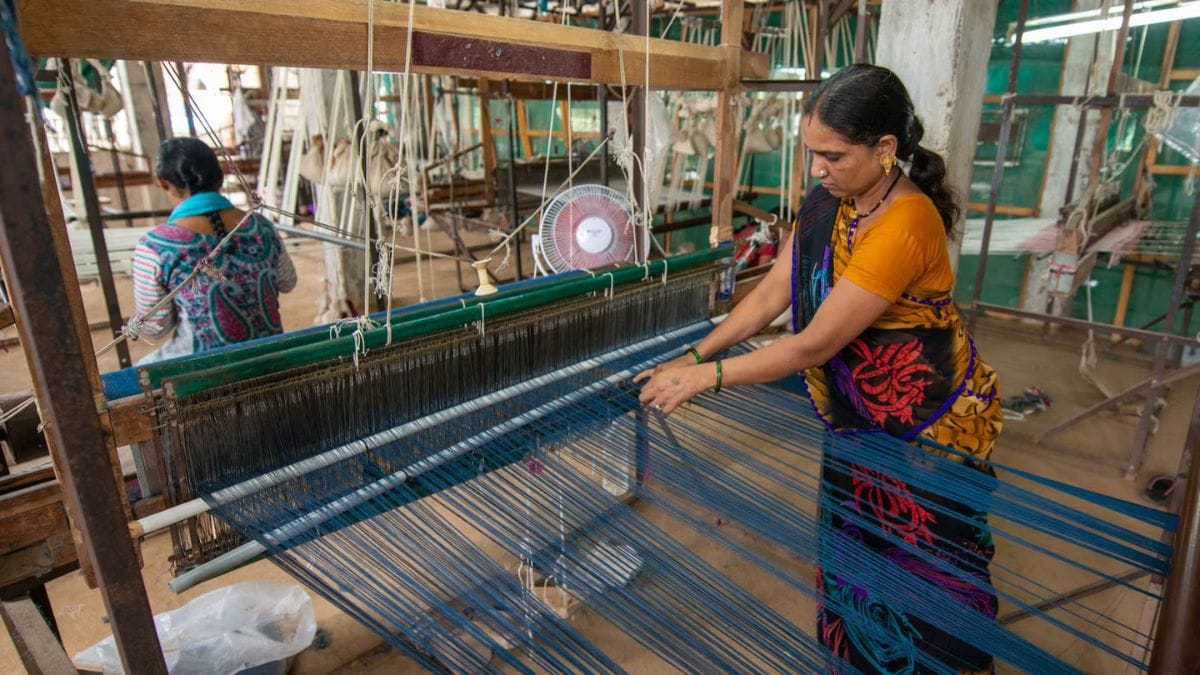
The beauty of handloom lies in the process. It’s slow, precise, and completely manual. A handloom weaver uses a shuttle, warp, and weft to craft every inch of fabric.
There are two main weaving methods:
- Ikat: Where threads are dyed before weaving to create patterns.
- Jacquard or Brocade: Involves using a special loom to create intricate motifs with gold or silver threads.
It’s a labor of love. Some saris take weeks—or even months—to finish. The result? A piece of wearable art that no machine can replicate.
Symbolism
Handloom textiles are rich in symbolism. Different motifs carry different meanings—some religious, some cultural. A few examples:
- Peacocks: Represent royalty and grace
- Elephants: Symbol of power and good luck
- Lotus: Purity and rebirth
- Conch shells: Associated with divine energy
This symbolism gives each weave depth and meaning. It’s like wearing a story on your skin.
Revival
India’s handloom sector has seen ups and downs. The industrial revolution and fast fashion hit artisans hard. But there’s been a major revival in recent years.
Why? Because more people are choosing slow fashion. They want authenticity. They want something handmade, meaningful, and sustainable.
Brands and designers are now collaborating with weavers directly. Government schemes like the “India Handloom Brand” and initiatives like National Handloom Day (August 7) are also helping artisans gain recognition.
Social media has played a part too. Today, a weaver in Varanasi can share their work with the world in seconds.
Sustainability
Handloom is one of the most eco-friendly ways to make fabric. It uses less water, no electricity, and often local raw materials. It’s biodegradable, supports rural livelihoods, and reduces carbon footprint.
Compare that to synthetic fabrics churned out in polluting factories—it’s easy to see why handlooms are the future of ethical fashion.
Challenges
Despite its beauty and sustainability, the handloom industry faces big challenges:
- Low wages for weavers
- Dwindling interest among younger generations
- Competition from power looms
- Lack of marketing and tech adoption
Supporting handloom isn’t just about buying a sari—it’s about supporting an entire ecosystem.
Indian handlooms aren’t just textiles—they’re living history. Each weave carries generations of memory, skill, and culture. Wearing handloom is like wearing a legacy. As consumers, we have the power to keep these stories alive by choosing handwoven over machine-made, tradition over trend. Let’s make fashion about roots, not just looks.
FAQs
What is a handloom?
A manual loom used to weave fabric without electricity.
Which Indian weave is most famous?
Kanchipuram silk and Banarasi are globally renowned.
Why are handlooms sustainable?
They use less water, no electricity, and local materials.
What does Jamdani symbolize?
It reflects prosperity with lotus and fish motifs.
How can I support weavers?
Buy handloom products directly from artisans or cooperatives.