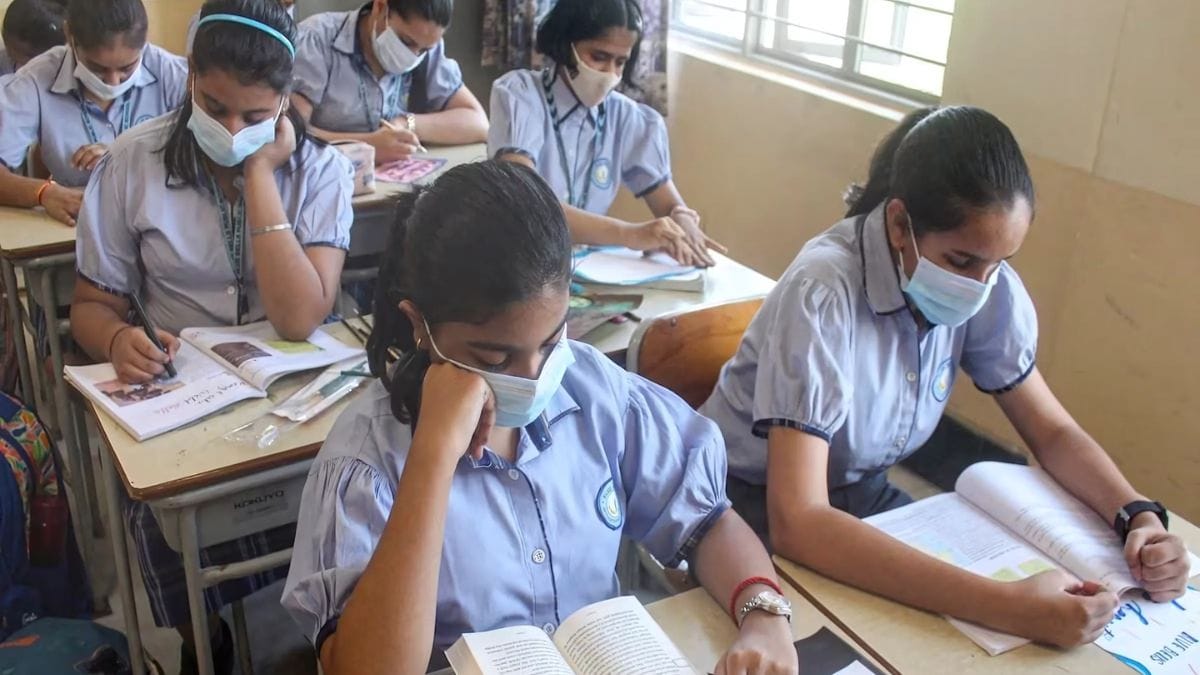
The National Education Policy 2020 (NEP 2020) has been one of the most ambitious educational reforms India has seen in decades. Introduced after 34 years of the previous policy, NEP 2020 aims to reshape the entire Indian education system — right from the grassroots to higher education.
But what does this mean for students, teachers, and institutions? Let’s break down how this new policy is transforming the learning experience across the country.
Vision
The core idea behind NEP 2020 is simple yet powerful — create an education system rooted in Indian values, while being future-ready. It promotes holistic development, creativity, critical thinking, and flexibility. The policy wants to move away from rote learning and instead focus on learning how to learn.

So instead of just mugging up textbook answers, students will now be encouraged to understand concepts, apply them in real life, and grow into well-rounded individuals.
Structure
One of the most talked-about changes is the shift from the 10+2 structure to a new 5+3+3+4 system. This sounds technical, but it’s actually a very student-friendly move.
Breakdown of the 5+3+3+4 System:
| Stage | Age Group | Classes | Focus Area |
|---|---|---|---|
| Foundational Stage | 3-8 yrs | Preschool + 1-2 | Play-based and activity-based learning |
| Preparatory Stage | 8-11 yrs | Classes 3-5 | Language, numeracy, art, and science |
| Middle Stage | 11-14 yrs | Classes 6-8 | Subject introduction, skill building |
| Secondary Stage | 14-18 yrs | Classes 9-12 | Multidisciplinary studies, flexibility |
This new format aligns more with a child’s cognitive development, allowing a smoother and more effective learning curve.

Multilingualism
NEP 2020 pushes for multilingual education, especially in the foundational years. Children will be taught in their mother tongue or regional language till at least Grade 5 — and preferably till Grade 8.
Why? Because research shows kids learn better and faster in their home language. Plus, this move helps preserve India’s vast linguistic diversity.
Assessment
Goodbye to cramming before exams. NEP 2020 introduces regular, formative assessments instead of one-shot annual exams. These assessments are more competency-based — they check if you’ve really understood the topic.

Also, report cards won’t just have marks now. They’ll include self-assessments, peer reviews, and teacher feedback. This gives a more holistic picture of a student’s progress.
Curriculum
Say hello to lighter school bags and more engaging lessons. The new curriculum will cut down on unnecessary content and focus more on essential learning. Expect more interactive classes, less mugging up, and subjects that connect with real-life situations.
From coding and environmental studies to financial literacy and life skills — education is getting a serious upgrade.
Flexibility
One of the coolest parts of NEP 2020? Flexibility. Students won’t be forced into rigid streams like science, commerce, or arts. You can choose subjects you love — imagine studying physics and music together.
This means more freedom to explore, learn, and design your own learning path.
HigherEd
The policy has big plans for higher education too. It envisions a multidisciplinary approach where colleges and universities offer flexible degree options. You can now:
- Exit after one year with a certificate
- Exit after two years with a diploma
- Exit after three years with a bachelor’s degree
- Complete a four-year multidisciplinary degree
This modular system is a game changer, especially for students who need to take breaks due to financial or personal reasons.
Also, a new regulatory body — the Higher Education Commission of India (HECI) — will replace multiple regulators, making governance smoother and more efficient.
Teachers
NEP 2020 understands that great education begins with great teachers. It plans to improve teacher training, make teaching a more respected profession, and ensure continuous professional development.
There will also be stricter norms for teacher recruitment, so that only qualified and passionate individuals step into classrooms.
Technology
In today’s digital age, education without tech is incomplete. NEP 2020 promotes the use of digital tools for learning, especially in remote and underprivileged areas. It also talks about creating a National Educational Technology Forum (NETF) to boost innovation.
This could mean more smart classes, digital content in regional languages, and online teacher training — leveling the playing field for everyone.
Inclusion
Education for all is a major focus. NEP 2020 promises to bridge gaps caused by gender, caste, or economic background. It supports scholarships, open schooling for dropouts, and better infrastructure for disabled students.
It’s not just about educating more people — it’s about educating them better and equally.
NEP 2020 is not just a policy; it’s a revolution in the making. By shifting the focus from rote learning to real knowing, it’s aiming to build a generation of thinkers, doers, and innovators. While it will take time to fully implement, the foundations being laid today will shape the India of tomorrow — smarter, stronger, and more inclusive.
FAQs
What is the 5+3+3+4 system?
It’s the new school structure based on age groups and learning stages.
Is mother tongue mandatory in NEP 2020?
Yes, preferably till Grade 8, especially in early learning.
Can I mix subjects under NEP 2020?
Yes, students can choose subjects across streams freely.
Will exams be removed under NEP?
No, but they’ll be more regular and skill-based, not just annual.
What is HECI in NEP 2020?
It’s the proposed new body to regulate higher education.