India’s Union Budget for 2025 has set the tone for a future-oriented economy with a strong focus on infrastructure, innovation, and inclusion. With global uncertainty and domestic challenges in the backdrop, this year’s budget aims to balance growth with sustainability while supporting sectors that can drive long-term development. From tax reforms to green energy, let’s break down the main priorities shaping India’s economic roadmap for 2025.
Overview
Finance Minister Nirmala Sitharaman presented the 2025 Union Budget with an emphasis on capital investment, job creation, and tech-driven transformation. The government continues to bet big on infrastructure spending while maintaining fiscal discipline. The fiscal deficit target has been reduced to 5.1% of GDP, signaling confidence in economic recovery.
The budget aims to push India toward becoming a $5 trillion economy by fostering private investment, skilling the workforce, and streamlining policies for ease of doing business.

Infrastructure
One of the biggest highlights of the 2025 budget is the continued push for capital expenditure. The allocation has been raised by 16% to ₹11.1 lakh crore. This includes major investments in:
- Highways and railways
- Renewable energy parks
- Urban metro projects
- Logistics and connectivity corridors
This focus not only boosts employment but also supports India’s long-term growth engine.
| Sector | Allocation (₹ crore) |
|---|---|
| Railways | 2,85,000 |
| Roads & Highways | 2,10,000 |
| Urban Infra | 1,15,000 |
| Renewable Energy | 35,000 |
Green Growth
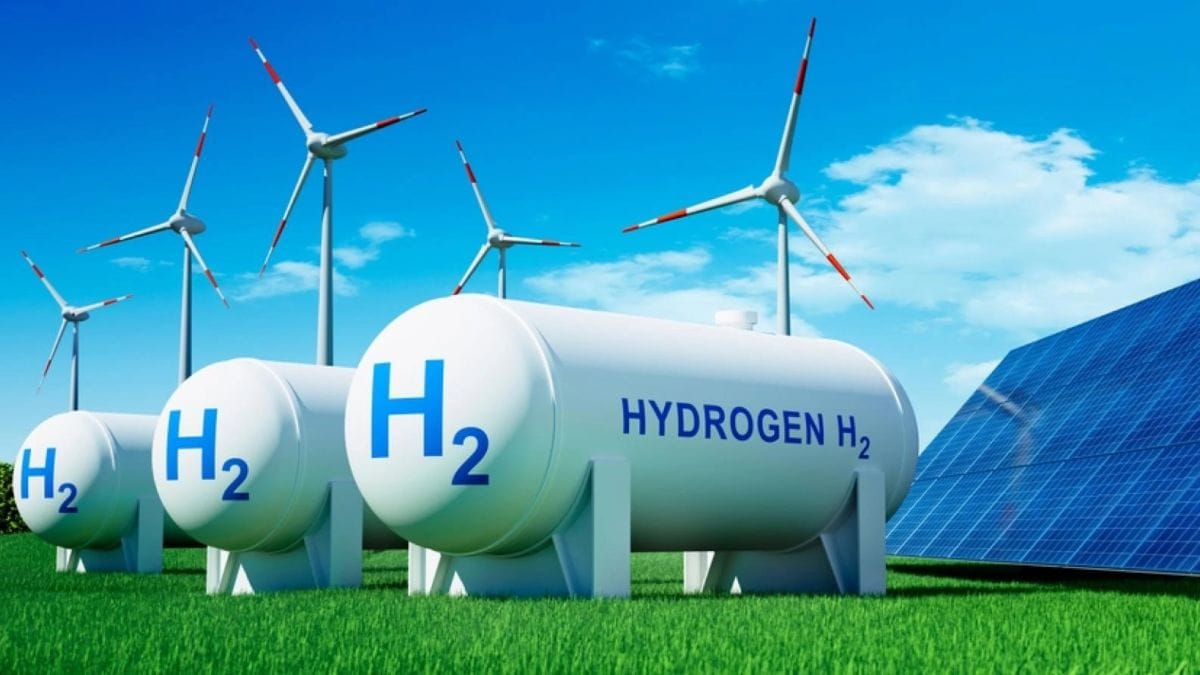
In line with climate commitments, the budget allocates funds for green hydrogen, solar power, and electric mobility. The government has launched a ₹20,000 crore Green Growth Mission to accelerate energy transition.
Key measures include:
- Incentives for battery storage projects
- Increased funding for solar rooftop installations
- Expansion of EV charging infrastructure
- Promotion of bio-energy and waste-to-energy plants
This reflects India’s ambition to become a global leader in clean energy.
Startups and MSMEs
To support startups and small businesses, the budget has extended tax benefits for eligible startups until March 2026. Credit guarantees have been enhanced for MSMEs, along with easier compliance measures.

Digital platforms for credit facilitation and skill development aim to build a robust entrepreneurial ecosystem. This will boost innovation and job creation in Tier 2 and Tier 3 cities.
Agriculture
Agriculture remains a core focus, with increased outlay for irrigation, crop diversification, and agri-tech. A new “Digital Agriculture Mission” will promote use of AI, drones, and sensors in farming.
Highlights:
- ₹1.5 lakh crore credit target for farmers
- Expansion of PM-KISAN scheme
- Creation of cold chain storage hubs
- Farmer training for climate-resilient farming
This tech-driven approach aims to make agriculture more productive and sustainable.
Taxation
There were no major changes in income tax slabs, but the focus is on simplifying the tax filing process and increasing digital compliance.
Other tax-related announcements:
- Reduction in customs duties on key electronics components
- Tax incentives for clean energy projects
- Increased scrutiny on crypto transactions
- Boost in digital tax administration infrastructure
Social Welfare
Social spending hasn’t been ignored. There’s increased funding for education, healthcare, and rural development.
Key announcements:
- Launch of a national digital health mission
- Upgraded PM Awas Yojana for affordable housing
- New skilling programs for youth and women
- Boost in nutrition and child development programs
These investments aim to create a more inclusive and empowered society.
India’s 2025 Budget walks a tightrope between growth and stability. With heavy bets on infrastructure, green energy, and digital India, it aims to future-proof the economy while addressing pressing social needs. While challenges remain—from global headwinds to inflation—this budget lays down a clear plan to build a more resilient, inclusive, and ambitious India.
FAQs
What is the fiscal deficit target for 2025?
The target is 5.1% of GDP.
How much is allocated to infrastructure?
₹11.1 lakh crore is allocated to capital expenditure.
What support is given to startups?
Tax benefits are extended till March 2026.
Is there any change in income tax slabs?
No major changes in income tax slabs.
What is the Green Growth Mission?
A ₹20,000 crore initiative for clean energy and sustainability.