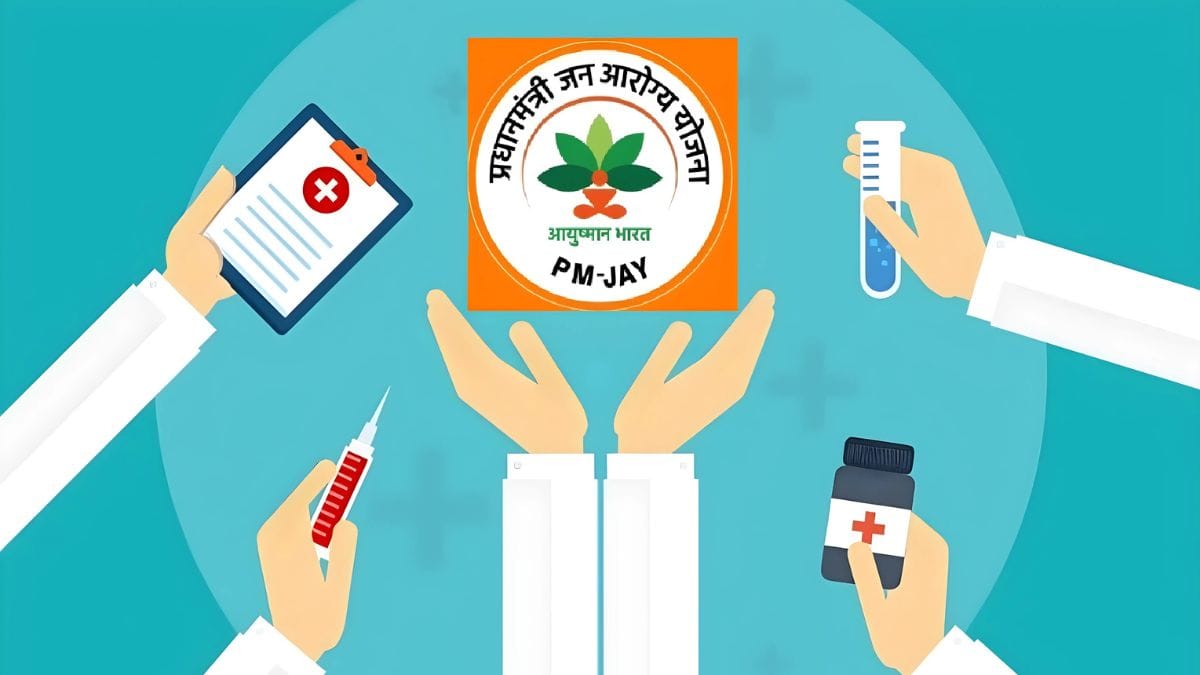
The healthcare space in India is transforming—and fast. At the heart of this revolution is the Ayushman Bharat Digital Mission (ABDM), which aims to create a seamless digital health ecosystem. Ever imagined a single digital ID that holds all your health records, prescriptions, doctor visits, and reports?
That’s what the Unified Health ID is all about. Think of it like your digital health wallet—always with you, easy to access, and 100% secure. Let’s break down what this mission is, how it works, and why it matters to every Indian.
Mission
The Digital Health Mission, launched by the Government of India in 2021, aims to digitize healthcare in a way that connects patients, doctors, hospitals, and other stakeholders through technology. It’s like UPI, but for healthcare.
At the core of this mission is the creation of a unique 14-digit Health ID for every citizen. This ID will store your complete medical history, from past diagnoses and lab reports to prescriptions and doctor consultations. You can access it anytime, from anywhere, and share it with healthcare providers instantly.
Benefits
So, what’s in it for you? Plenty.
First, you no longer need to carry bundles of medical papers or remember what medicine you took six months ago. Everything is stored digitally. Second, doctors can offer better treatment because they have full access to your health history. Third, it saves time and effort during emergencies.

Here’s a quick comparison table to show the difference:
| Feature | Traditional System | Digital Health ID |
|---|---|---|
| Medical Record Storage | Paper-based | Cloud-based |
| Accessibility | Limited to location | Anywhere, anytime |
| Data Sharing | Manual & slow | Instant & secure |
| Risk of Data Loss | High | Minimal |
| Doctor Collaboration | Limited | Seamless |
Process
Getting your Health ID is surprisingly simple. You can do it in two main ways:
- Online via the official website or mobile app
- Offline at hospitals, clinics, or health centers registered under ABDM
All you need is your Aadhaar number or mobile number. Once your ID is generated, you can start linking your past and present medical records to it. You also get to control who views your data and when—it’s entirely consent-based.

Security
Understandably, people worry about digital privacy. But the good news is that ABDM follows a strict consent-based access model. Your data can’t be viewed or shared without your permission. The system uses end-to-end encryption, and the health ID is protected by multi-factor authentication.
Your control over your data remains intact. Want to revoke a doctor’s access? You can do that. Don’t want to link a certain report? That’s your choice too. It’s designed to empower, not expose.
Integration
One of the most exciting parts of the Digital Health Mission is its integration with other health initiatives. For example, it syncs with the CoWIN platform (used during COVID-19 vaccinations), eSanjeevani (telemedicine services), and national health registries. This means all your digital health services are unified under one umbrella.
Soon, insurance companies may also integrate with the Health ID, making cashless claim processes much smoother. Imagine going to a hospital, sharing your ID, and having everything—from diagnosis to insurance claim—handled digitally.
Adoption
India is pushing for large-scale adoption, and the numbers are growing rapidly. As of now, millions have already registered for their Health IDs. Government hospitals, private clinics, diagnostic labs, and pharmacies are being encouraged to join the network.
The goal is to create a digital health backbone that benefits urban and rural areas alike. With smartphone penetration rising and internet connectivity improving, this vision is closer than ever.
Challenges
Of course, no big change comes without challenges. Digital literacy, especially in rural areas, is a hurdle. Many people still fear sharing personal data online. There’s also the need for widespread infrastructure support, especially in remote regions.
But the government is tackling this head-on through awareness campaigns, tech support, and public-private partnerships. As the ecosystem grows, these barriers are likely to shrink.
Future
The Unified Health ID isn’t just about digital records—it’s about transforming how healthcare works in India. With AI, big data, and machine learning, the possibilities are endless. Imagine predictive diagnosis, early disease detection, personalized treatments—all made possible because your health data is organized and accessible.
It’s a long journey, but the foundation is strong. In a few years, visiting a doctor without a digital record might feel as outdated as using a floppy disk.
So, if you haven’t already, now is a good time to get your Health ID. It’s free, safe, and could change your healthcare experience forever.
FAQs
What is a Health ID?
It’s a unique 14-digit number for storing your health records.
Is the Health ID free?
Yes, it’s completely free to generate and use.
Can I delete my Health ID?
Yes, you can deactivate or delete it anytime you wish.
Do I need Aadhaar to register?
No, you can also use your mobile number to register.
Is my data shared without consent?
No, your data is accessed only with your permission.