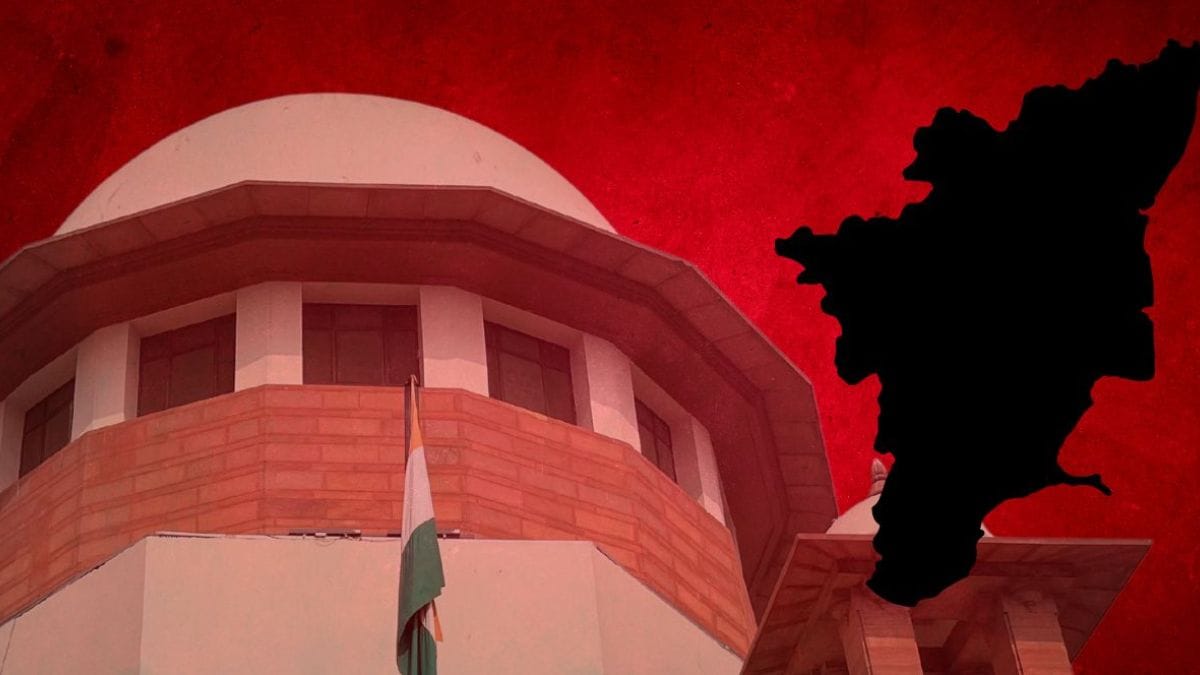
The Supreme Court of India makes decisions that can change the way laws work and affect millions of lives. But let’s be honest — legal language can get complicated fast. So, here’s a simplified look at some of the recent Supreme Court judgments that made headlines and why they matter to everyday people like you and me.
Same-S*x Marriage Ruling
In October 2023, the Supreme Court refused to legalize same-s*x marriage. Many hoped the court would allow LGBTQ+ couples to marry under Indian law. But the court said this decision is something only Parliament can make.
At the same time, the court acknowledged the rights of LGBTQ+ individuals to live with dignity and have legal protections. It asked the government to look into creating policies that help same-s*x couples access healthcare, pensions, and other benefits.
So, while marriage is off the table for now, the ruling was still a step forward for LGBTQ+ rights.
Demonetisation Case
Remember the sudden demonetisation in 2016? The Supreme Court finally gave its verdict on it in January 2023. Some people had challenged the move, saying it was done without proper planning and caused hardship.
But the court upheld the government’s decision, saying it followed legal procedures and had the power to take such steps to tackle black money and fake currency. The judgment didn’t question the economic impact, only whether it followed the law — and the court said yes.

Electoral Bonds Case
One of the most awaited rulings came in February 2024. The Supreme Court struck down the electoral bonds scheme, calling it unconstitutional.
What were electoral bonds? These were tools used by individuals and companies to donate to political parties — anonymously. Critics argued it made political funding non-transparent.
The court agreed, saying voters have the right to know who funds political parties. Now, political donations must be more transparent, and the scheme is scrapped.

Article 370 Verdict
In December 2023, the court ruled that the central government’s 2019 move to abrogate Article 370 — which gave special status to Jammu and Kashmir — was valid.
The petitioners had argued that only the state’s constituent assembly could remove Article 370. But the court said that since the assembly no longer existed, the Parliament had the right to do it.
This was a landmark ruling that confirmed the constitutional process was followed, though it continues to be a topic of political debate.
Hijab Ban in Schools
The court was divided on the Karnataka hijab ban case. In 2022, some students were not allowed to wear hijabs in school. The case reached the Supreme Court, but in October 2022, a split verdict came — one judge upheld the ban, and the other disagreed.
Because of this, the case will now go to a larger bench. Until then, the Karnataka High Court’s decision allowing the ban stands.
It’s a sensitive issue involving personal freedom and religious expression. The final decision is still pending.
Here’s a quick glance at what each ruling meant:
| Case | Year | Outcome |
|---|---|---|
| Same-S*x Marriage | 2023 | Not legalized, rights recognized |
| Demonetisation | 2023 | Declared legal |
| Electoral Bonds | 2024 | Struck down as unconstitutional |
| Article 370 | 2023 | Revocation upheld |
| Hijab Ban | 2022 | Split verdict, larger bench to review |
These judgments show how the Supreme Court balances law, politics, and public interest. Some decisions support government actions, while others question policies that lack transparency or fairness.
Either way, the court remains a powerful part of Indian democracy. And knowing these cases helps us stay informed and involved as citizens.
FAQs
Did Supreme Court allow same-s*x marriage?
No, it said only Parliament can decide on that.
Was demonetisation legal?
Yes, the Supreme Court said it followed legal procedures.
What happened to electoral bonds?
The court struck them down as unconstitutional.
Is Article 370 removal valid?
Yes, the court upheld the 2019 decision.
What is the latest on the hijab case?
Split verdict; larger bench will decide soon.