India’s democracy isn’t just about elections, parliaments, and ministers. It also runs deep into its villages, where real change often begins. That’s where the Panchayati Raj system comes in — a decentralized form of governance that puts power directly into the hands of local people.
If you’ve ever wondered how rural India manages development, dispute resolution, and daily administration, you’re about to get a front-row seat to grassroots governance in action.
Origins
The idea of local self-governance in India is not new. It dates back centuries when village councils or panchayats were traditional bodies responsible for managing local affairs. However, the modern Panchayati Raj system was institutionalized much later.

It was officially introduced in 1959 in Nagaur, Rajasthan, based on the recommendations of the Balwantrai Mehta Committee. But it wasn’t until the 73rd Constitutional Amendment Act in 1992 that the Panchayati Raj system got formal recognition across the country. This amendment made it mandatory for every state to establish panchayats as units of self-government.
Structure
The Panchayati Raj system operates at three levels to ensure that governance reaches even the remotest corners of the country:
| Tier | Level | Function |
|---|---|---|
| Gram Panchayat | Village | Deals with local needs and development |
| Panchayat Samiti | Block | Coordinates between villages, manages resources |
| Zila Parishad | District | Plans district-level programs and policies |
Each tier has elected representatives, including a head – the Sarpanch at the village level, Chairman at the block level, and President at the district level. These bodies are supported by bureaucrats and other government functionaries.
Powers
What exactly can panchayats do? Quite a lot, actually. They’re responsible for:
- Building and maintaining roads, sanitation, and water supply
- Implementing government welfare schemes
- Promoting education and healthcare
- Managing local markets and infrastructure
- Resolving minor disputes within the community
They also have the power to levy and collect taxes, fees, and fines, giving them some financial autonomy.
Elections
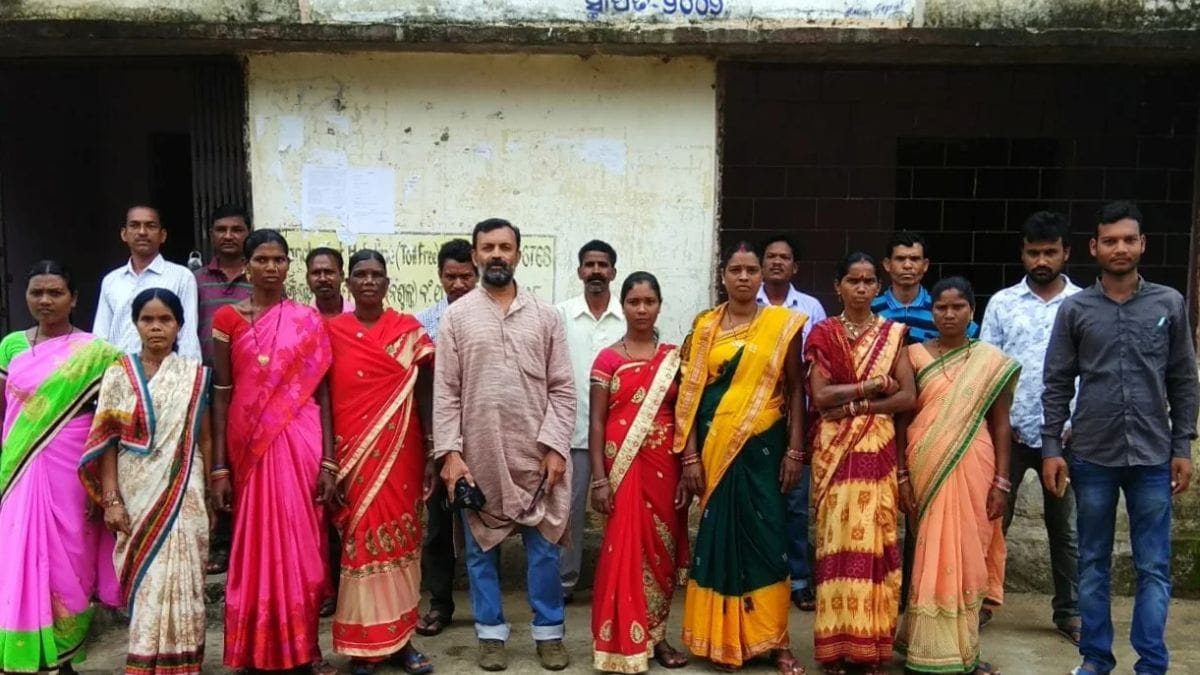
Panchayat elections are held every five years and are supervised by the State Election Commission. Seats are reserved for Scheduled Castes (SC), Scheduled Tribes (ST), and women — with at least one-third of all seats, including those of chairpersons, reserved for women.

This reservation policy has brought significant change by encouraging women’s participation and ensuring representation for historically marginalized communities.
Challenges
While the Panchayati Raj system is a step forward, it’s not without hurdles. Many panchayats lack the financial resources and trained personnel to carry out their responsibilities effectively. Corruption, political interference, and lack of awareness among villagers can further slow down the system.
In some states, panchayats exist more on paper than in practice, with real power still held by higher bureaucratic levels or local elites.
Progress
Despite challenges, the Panchayati Raj system has seen remarkable progress. From ensuring cleaner villages to better implementation of MGNREGA (rural employment scheme), panchayats have become engines of rural development.
Digital initiatives are also making a difference. Many panchayats now use e-governance tools to manage records, track schemes, and improve transparency.
Social audits, community participation, and gram sabhas (village meetings) have made the system more democratic. In fact, grassroots governance is often more responsive and agile than larger bureaucratic setups.
Impact
The biggest win? Empowerment. Panchayati Raj has given ordinary citizens, especially women and the underprivileged, a voice in shaping their community’s future.
Decentralization means faster decisions, better understanding of local issues, and solutions that actually work on the ground. It turns governance from a top-down directive into a bottom-up movement.
If democracy is a tree, Panchayati Raj is its roots. It connects people directly with power, helping them build their own roads, run their schools, and resolve their issues — all without having to wait for distant officials to show up.
FAQs
What is Panchayati Raj?
A 3-tier local governance system in Indian villages.
Who leads a Gram Panchayat?
A Sarpanch is the elected head of a village panchayat.
How often are panchayat elections held?
Every five years across all levels.
Is there reservation for women?
Yes, one-third of seats are reserved for women.
What are Gram Sabhas?
Village meetings where people discuss and decide issues.