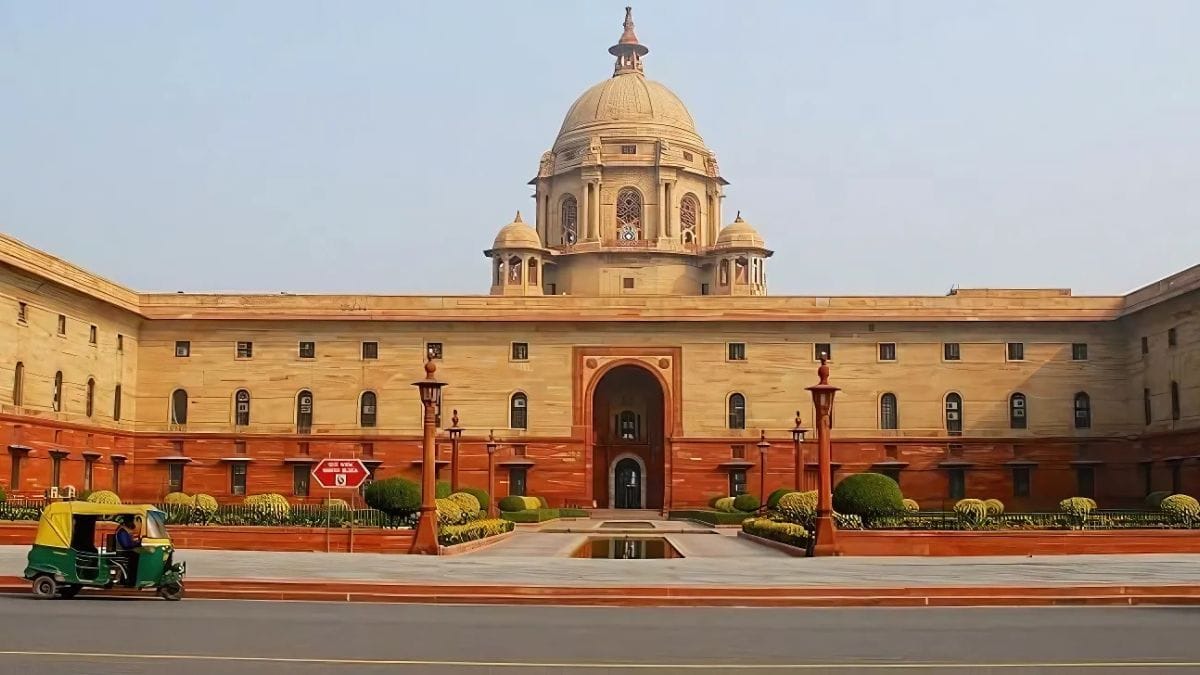
When you think of the President of India, you probably picture a ceremonial figure who hosts state dinners or gives speeches on Republic Day. But there’s more to the role than just tradition and protocol. The President is the constitutional head of the country and plays a critical role in maintaining the democratic and legal framework of India. Let’s cut into what the President actually does, what powers they have, and why their role matters.
Overview
The President of India is the head of state and the first citizen of the country. According to Article 52 of the Indian Constitution, the President is the official executive authority, although most of the actual power is exercised by the Council of Ministers led by the Prime Minister.
The President is elected for a five-year term by an Electoral College comprising Members of Parliament and Members of Legislative Assemblies.

Executive
Though the President does not govern directly, all executive actions of the Union Government are formally carried out in their name. Here’s what this includes:
- Appointing the Prime Minister and, on their advice, the other ministers
- Appointing Governors, Chief Justices, Ambassadors, and UPSC members
- Administration of Union Territories through appointed administrators
- Assent to bills passed by Parliament to make them official laws
Basically, the President is the constitutional anchor that keeps the executive functioning smoothly and lawfully.
Legislative
The President also plays an important role in law-making:
- Summoning and dissolving Parliament
- Addressing both Houses at the beginning of the first session each year
- Giving assent to bills—a bill becomes law only after the President signs it
- Sending back a bill for reconsideration (except in case of money bills)
- Promulgating ordinances when Parliament is not in session
So while the President doesn’t sit in Parliament, their presence is crucial in the legislative process.
Judicial
The President is known as the guardian of the Constitution and plays a symbolic and practical role in the judiciary too:
- Appoints the Chief Justice and other judges of the Supreme Court and High Courts
- Can grant pardons, reprieves, or commute the sentences of convicts under Article 72
- Refers legal questions to the Supreme Court under Article 143
In cases of death penalties or long-term imprisonment, the President’s decision can be life-altering.
Emergency
The President’s role becomes most powerful during emergencies. Under three types of emergencies—National, State, and Financial—the President can take extraordinary measures:
- Proclaims Emergency (Article 352) in case of war or internal disturbance
- President’s Rule (Article 356) in a state when constitutional machinery fails
- Financial Emergency (Article 360) if the nation’s financial stability is threatened
However, these powers are not absolute. They require the advice of the Cabinet and parliamentary approval.
Ceremonial
Apart from constitutional duties, the President is the face of the Indian Republic on official occasions. They:
- Preside over Republic Day and Independence Day celebrations
- Welcome foreign dignitaries
- Represent India in diplomatic events abroad
- Confer national awards like the Bharat Ratna, Padma Awards, Gallantry medals
In this role, the President embodies the dignity and unity of the nation.
Real Power
While the President holds immense constitutional power, most of it is exercised on the advice of the Council of Ministers. This makes the role largely ceremonial in daily politics, but deeply influential during crises, constitutional disputes, or moral deadlocks.
The President is like a referee—not involved in every play, but empowered to act when rules are broken or when the game gets out of hand.
FAQs
Who elects the President of India?
An Electoral College of MPs and MLAs elects the President.
Can the President reject a bill?
Yes, except money bills. They can return it for reconsideration.
What is Article 72 about?
It allows the President to grant pardons and reduce sentences.
What happens during President’s Rule?
The state is governed directly by the central government.
Is the President more powerful than the PM?
No, most powers are exercised on the PM’s advice.