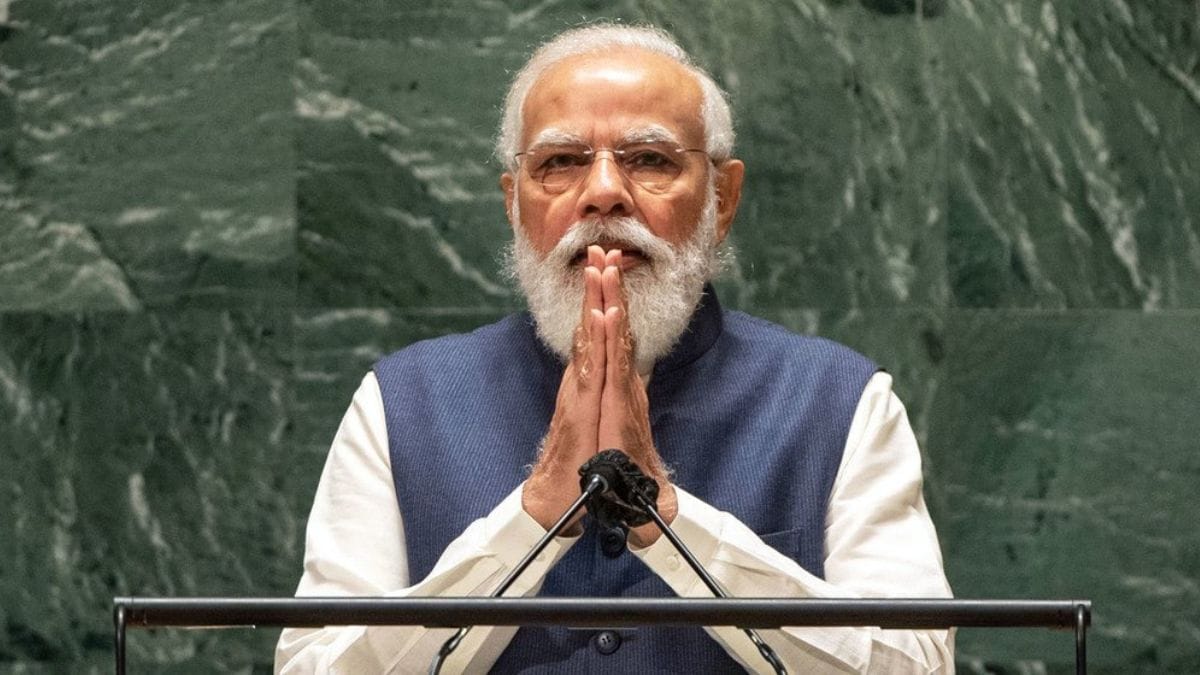
In a country as vast and diverse as India, leading the nation is no small task. At the center of this responsibility is the Prime Minister. Often seen as the face of the government, the Prime Minister is more than just a political leader—he or she is the key driver of policies, decision-making, and national direction. But what exactly does the Prime Minister do? Let’s break down the role of the Prime Minister in Indian democracy.
Leadership
The Prime Minister is the head of the central government. Though India has a President as the constitutional head, it is the Prime Minister who holds real executive power. Think of the Prime Minister as the captain of the ship—navigating challenges, steering the country’s progress, and managing both national and international affairs.
Once elected as the leader of the majority party in the Lok Sabha (the lower house of Parliament), the Prime Minister is formally appointed by the President. This leader must maintain the confidence of the Lok Sabha throughout the term.

Governance
The Prime Minister heads the Council of Ministers and decides who gets which portfolio—from defence and finance to health and education. These ministers report directly to the Prime Minister and are expected to act in alignment with the overall vision of the government.
The Prime Minister also acts as a bridge between the President and the Cabinet. While the President signs off on key decisions, it is the Cabinet under the Prime Minister’s leadership that frames these decisions.
Parliament
Inside Parliament, the Prime Minister plays a vital role. They represent the government during debates, introduce major policies, and respond to opposition criticism. They also play a crucial role in shaping legislative agendas and ensuring the smooth passage of important bills.
During emergencies, the Prime Minister’s influence becomes even more crucial. Whether it’s national security, a pandemic, or economic crisis, the Prime Minister leads from the front, coordinating with ministries, state governments, and agencies.
Foreign
On the global stage, the Prime Minister is the main face of the nation. From attending international summits to signing bilateral agreements, they represent India’s interests abroad. Whether it’s discussing climate change or trade, the Prime Minister ensures India’s voice is heard and respected.
Foreign policy decisions are often shaped directly by the Prime Minister’s vision and strategy. Strategic alliances, global cooperation, and diplomatic relations are maintained through consistent and meaningful engagement.
Challenges
While the Prime Minister enjoys great power, it comes with equally great responsibility. Balancing regional diversity, managing coalition politics, addressing public expectations, and handling economic pressures are constant challenges.
Moreover, every action is under public and media scrutiny. With rising awareness and participation in democracy, citizens today expect more accountability, transparency, and performance from their leaders.
Impact
A strong and visionary Prime Minister can bring about transformational changes in a country. From economic reforms to social welfare schemes, the direction the country takes often depends on the Prime Minister’s leadership style and decision-making.
Some Indian Prime Ministers have left a lasting legacy, whether through bold reforms, wars, or diplomacy. Their impact can reshape politics, society, and even India’s place in the world.
In the heart of Indian democracy, the Prime Minister stands as a symbol of leadership, unity, and governance. The role demands intelligence, patience, communication, and, above all, a deep commitment to serving the people. While the position comes with power, it also carries the weight of a billion hopes and dreams.
FAQs
Who appoints the Prime Minister?
The President appoints the Prime Minister.
Is the PM more powerful than the President?
Yes, the PM holds executive power, unlike the President.
What is the PM’s role in Parliament?
The PM leads debates and presents policies.
Does the PM handle foreign relations?
Yes, the PM represents India globally.
Can the PM be removed?
Yes, if they lose the Lok Sabha’s confidence.