The Public Distribution System (PDS) in India is one of the world’s largest food security networks. It plays a vital role in ensuring millions of families across the country don’t go to bed hungry. But how does it work? Is it effective? And what challenges does it face? Let’s break it all down in simple terms so you know exactly how this system keeps food on the plates of millions.
Origins
The roots of the PDS go back to the 1940s, right after World War II, when India was still under British rule. Food shortages were rampant, and the government introduced rationing to manage food supply. Post-independence, India continued the system, especially after the famines and food crises of the 1960s. Over time, it evolved into what we now call the Targeted Public Distribution System (TPDS), launched in 1997.
Structure
The PDS is a three-tiered setup:

- Procurement: Food grains like rice, wheat, and coarse cereals are bought from farmers by government agencies like the Food Corporation of India (FCI).
- Storage & Transport: These grains are stored in warehouses and moved across the country.
- Distribution: States distribute the grains through Fair Price Shops (FPS), also known as ration shops.
This network includes over 500,000 ration shops, reaching nearly 800 million people.
Benefits
So, what’s the big deal? Here’s what the PDS brings to the table:
- Ensures food security for the poor
- Stabilizes food prices during inflation
- Supports farmers through minimum support prices
- Provides nutritional support during emergencies like pandemics or natural disasters
Think of it as a safety net, especially for the economically weaker sections.
Challenges
Like any massive operation, the PDS has its share of problems:
- Leakages: Grains meant for the poor often end up in the black market.
- Corruption: Fake ration cards and bribes are common.
- Quality issues: Sometimes the grains distributed are of poor quality.
- Exclusion: Many deserving families are left out due to documentation errors.
Even though technology is helping fix these issues, they still persist in many regions.
Reforms
The Indian government has taken several steps to improve the system:

- Digital Ration Cards: These reduce fraud and make the system transparent.
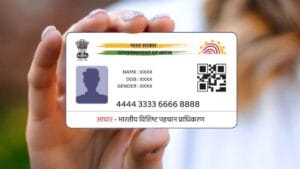
- Aadhaar Linking: Ensures genuine beneficiaries get their share.
- One Nation One Ration Card (ONORC): Allows migrants to access rations anywhere in India.
These reforms aim to plug the leaks and make the system more efficient and inclusive.
Impact
Let’s look at how the PDS is actually making a difference.
| Aspect | Impact |
|---|---|
| Food Security | Protects 67% of the population |
| Farmer Income | Ensures minimum support price |
| Emergency Response | Provided free food during COVID-19 |
| Rural Livelihoods | Creates jobs in transportation and storage |
Despite the gaps, the PDS remains a lifeline for India’s poor. It’s not just about handing out grains — it’s about preserving dignity, protecting lives, and ensuring no one sleeps hungry. It may not be perfect, but its role in shaping a more equitable India cannot be denied.
FAQs
What is PDS in India?
PDS is India’s food distribution system for the poor.
Who benefits from the PDS?
Primarily low-income families and below poverty line households.
What are ration cards used for?
They help identify eligible households for subsidized food.
What is ONORC?
It lets people access ration anywhere in India.
What grains are distributed?
Mainly rice, wheat, and coarse grains like millets.